“Someday she planned to paint he ceiling: Blue, with gold stars on it, whole constellations, and a section of the Milky Way.”
Quote by Elizabeth Enright
Work
The Four-Story Mistake
In this novel, the protagonist navigates a world where the four stories of a building are not as they seem, leading to a profound examination of reality and self. more
Author
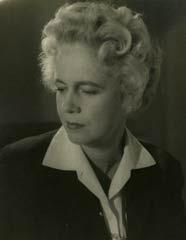
Elizabeth Enright
Elizabeth Enright was an American children's literature writer, born on September 17, 1909, and died on June 8, 1968. Her works are known for their rich imagination and profound insight into the psychology of children, making significant contributions to the field of children's literature. more
You May Also Like
Source: Creatrix: She Who Makes
Source: A Ladder to the Sky
“Di fesla nûbiharêde Digel dîlber biçim geştê Ji ev xweştir umir nabit Li min ev hal qewî xweş tê.”
Source: Eat, Pray, Love
“Music is the beat of a drum that keeps time with our emotions.”
Source: The Japanese Devil Fish Girl and Other Unnatural Attractions
Source: The War of the Worlds
Source: The Scientist in the Crib: What Early Learning Tells Us About the Mind