“Sin, the Fall, salvation, grace, election-how is it that they loom so large in the vocabulary of a movement which should have been Platonist, should have been theocentric? It is due, I think, to the overmastering influence of one man, St. Augustine. A Platonist if ever there was one, yet Fenelon quarried no material from him in writing the Maximes des saints. St. Augustine was a man in whom the moral struggle had become inextricably entwined with the search for God; further, he had to enter the lists against the great heresy of Pelagius, which sought to by-pass the mystery of redemption. Consequently, the doctrine of grace became a major preoccupation with him, and he darkened in, perhaps too unsparingly, the outlines of St. Paul's world-picture. Moreover, he sought to pluck the heart out of a mystery by his theory of the two rival delectations. If you avoided sin, it was only because conscious love for God then and there neutralized the attraction of it; your decision was made on a balance of motives. Exaggerated now from this angle, now from that, St. Augustine's theology has provided, ever since, the dogmatic background of revivalism.”
Quote by Ronald Knox
Work
Enthusiasm: A Chapter in the History of Religion
Browse quotes and source details for this work. more
Author
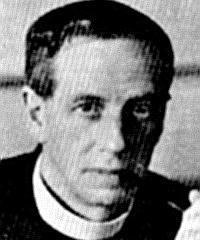
Ronald Knox
Ronald Knox was a British author celebrated for his detective fiction, a genre to which he made significant contributions during the Golden Age of Detective Fiction. Born on February 17, 1888, his work is recognized for its intricate plots and richly developed characters. He passed away on August 24, 1957. more
You May Also Like
“Come here now, sit down, and listen: the ghosts are here to testify." —"Origin of a Disaster”
Source: Interrogation Records: Poems
Source: The Sundial
Source: In a Glass Darkly
Source: Nicholas Nickleby
“Luxury, wherever she goes, effaces from human nature the image of the Divinity.”
Source: Letters of John Adams, addressed to his wife. Ed. by his grandson, Charles Francis Adams ... Volume v.1 1841 [Leather Bound]
“and if she were the devil, he’d turn his back on god.”
Source: Bitter Crown of Thistle
“I will trust, Lord, that the mending of me matters more to You than the mess I am in.”
Source: Lessons in French