Quotessence
Home / Quotes / Quote by John Galt

Quote by John Galt

“Na na, my lad; ponder well, and a warning take. I cared nae mair for wealth, for its own sake, than others; but saw it was the key to all comforts, and to have my own will of them I in a sense coveted; but it was not the covetousness forbidden in the tenth commandment, for I never grudged no man his living. I only longed for the means by which I might conquest such havings. It was that power I sought to gain, by gaining riches - well knowing that with them I would get the potential: so dinna think I was either daft or doited, for I was no miser, but a man who saw gold ruled the world and only sought to make it a friend.”

Quote by John Galt

Work

Selected Short Stories

This book compiles a diverse range of short stories, showcasing the talents of multiple authors across different genres and styles. more

Author
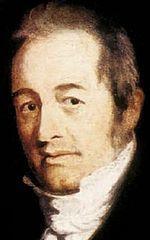
John Galt
John Galt

John Galt, born on May 2, 1779, and died on April 11, 1839, was an influential British novelist. Known for his vivid portrayal of Scottish rural life and profound insights into social issues, his works have left a lasting impact on 19th-century literature. more

You May Also Like

“The idea that those who have so much and those who have so little can grow together is a pathetic illusion. As the former becomes richer, the latter becomes poorer. Wealth is not absolute; it is relative. Everyone pretends to be unaware of this, but deep down, they must know it's true. That's why they deceive and harm others, plunder from them, clinging desperately to the exclusivity that ranks them 'winners.' What on earth are they doing? A world where the corpses of countless poor lie beneath a handful of monstrous victors. They call this horrendous barbarism 'freedom.' Read the banner. It says 'self.”

“But money has a peculiar nature. It can buy objects and souls, but it can also change them. It dulls emotions. Then, with the methodical and disciplined way in which it is accumulated, it severs every tie of its possessor to the spiritual world, in whose name sometimes their furious pursuit initially sparked. Ultimately, the hunting and cornering, with the ferocity and determination of a bewildered frenzy, disrupts the centre, blurs perceptions, erases the outlines of values, and extracts meaning—both from the pursued and the pursuer. Money loses its purpose. Its function. It no longer serves him, and he forgets to serve himself with it, sinking into self-loathing. The only nature that money eventually retains, and which he attributes to it, because he remembers nothing else, is accumulation. This is the very end: of the humanity in him and the life he was given.”