Quotessence
Home / Quotes / Quote by Elizabeth Gaskell

Quote by Elizabeth Gaskell

“The temptation is too strong for me. Oh, Lord! where is Thy peace that I believed in, in my childhood? – that I hear people speaking of now, as if it hushed up the troubles of life, and had not to be sought for – sought for, as with tears of blood! [-Jemima, chapter 26, pg. 275]”

Quote by Elizabeth Gaskell

Book:Ruth

Work

Ruth

Browse quotes and source details for this work. more

Author

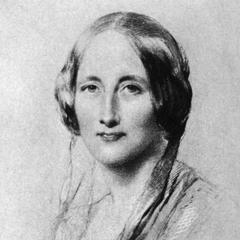
Elizabeth Gaskell
Elizabeth Gaskell

Elizabeth Gaskell was a British novelist born on September 29, 1810, in Manchester. Her works primarily depicted the social life of Britain during the Industrial Revolution, focusing on the lives of the working class. Gaskell is renowned for her delicate emotional portrayal and profound social insight, with notable works including 'Mary Barton' and 'North and South'. more

You May Also Like

“i dreamt that i died. for an instant, all the voices in my head stood calm, and for a moment, my heart stopped panicking, and for once in my whole life, my cheeks dried from all the tears that were falling every night ... i thought to my self: how nice it is to be finally dead, i wish i did it sooner. my brother once told me that people who commit suicide are mostly doing it for attention. that's so wrong. i'm not asking for attention, nor sympathy. when i put that blade on my shaking skin alone in my room at 3 am, you should be sure that i'm not thinking of anyone and i'm not asking for anyone's attention. all i'm doing is pushing my self to stop the pain. you see, i don't want to die too, all i want is for the pain to stop and for me to smile like everyone else. yasuko amaya - the day i decided to be God -”

“They embraced in parting. There were tears in the merchant’s eyes: “I do not like parting.” “Life consists of partings,” said Arseny. “But you can rejoice more fully in companionship when you remember that.” “But I would (the merchant Vladislav blew his nose) gather up all the good people I’ve met and never let them go.” “I think then they would quickly become mean,” smiled Ambrogio. (p. 238)”