“There’s one more thing that happens as I listen to life stories. I realize I’m not just listening to other people’s stories; I’m helping them create their stories. Very few of us sit down one day and write out the story of our lives and then go out and recite it when somebody asks. For most of us it’s only when somebody asks us to tell a story about ourselves that we have to step back and organize the events and turn them into a coherent narrative. When you ask somebody to tell part of their story, you’re giving them an occasion to take that step back. You’re giving them an opportunity to construct an account of themselves and maybe see themselves in a new way. None of us can have an identity unless it is affirmed and acknowledged by others. So as you are telling me your story, you’re seeing the ways I affirm you and the ways I do not. You’re sensing the parts of the story that work and those that do not. If you feed me empty slogans about yourself, I withdraw. But if you stand more transparently before me, showing both your warts and your gifts, you feel my respectful and friendly gaze upon you, and that brings forth growth. In every life there is a pattern, a story line running through it all. We find that story when somebody gives an opportunity to tell it.”
Quote by David Brooks
Work
Browse quotes and source details for this work. more
Author
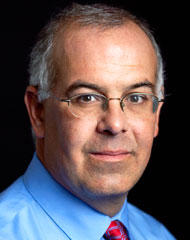
David Brooks is an American commentator and writer known for his insightful views on political, cultural, and social issues. Born on August 11, 1961, he graduated from Columbia University and has served as a columnist for The New York Times. Brooks has also appeared on various television and radio programs as a commentator. more
You May Also Like
“How can you live without everything touching you?”
“However, if the long shot is your only shot, then you have to take it.”
“The dead weren’t scary. It was the living you had to watch out for.”
“Knowing what to do with time is the first step to take when you lose your job”
“The details of life have a tendency to interfere with the actual living of life.”
“Live your day and live it well. It's yours whether you want it or not.”