“I want to point out another contradiction: the nationalists pretend to venerate the capacities of the Argentine mind but want to limit the poetic exercises of that mind to a few impoverished local themes, as if we Argentines could only speak of orillas aná estancias and not of the universe.”
Quote by Jorge Luis Borges
Work
Labyrinths: Selected Stories & Other Writings
This volume compiles a selection of short stories and other writings that delve into the intricacies of human life and the complexities of the human psyche. The author's distinctive narrative voice and thought-provoking themes are evident throughout the collection. more
Author
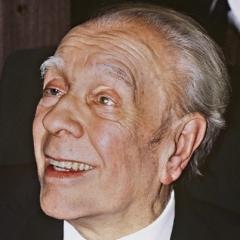
Jorge Luis Borges
Jorge Luis Borges was an Argentine writer, poet, and literary critic. His works are known for their unique fantasy and philosophical thinking, which have had a profound impact on 20th-century literature. more
You May Also Like
Source: Preaching as Local Theology and Folk Art
Source: Boomers: The Men and Women Who Promised Freedom and Delivered Disaster
“I was born a ‘Woolyback’, I was raised as a ‘Scouser’, I became a ‘Guiri’ and I am now a ‘Haole’.”
Source: Digital Retail Marketing: The Essential Guide to Low-Cost, Successful Content Marketing
“In this day and time, a digital brand can launch you into a billion-dollar business.”
“The world is already full of content, only the digital strategy gives it meaning”
Source: Digital Retail Marketing: The Essential Guide to Low-Cost, Successful Content Marketing
Source: Digital Retail Marketing: The Essential Guide to Low-Cost, Successful Content Marketing