“The concept of “too much and unnecessary” could also apply to the length of our prayers. A closing prayer in a Church meeting need not include a summary of each message and should not become an unscheduled sermon. Private prayers can be as long as we want, but public prayers ought to be short supplications for the Spirit of the Lord to be with us or brief declarations of gratitude for what has transpired.”
Quote by Russell M. Nelson
Work
Accomplishing the Impossible: What God Does, What We Can Do
Browse quotes and source details for this work. more
Author
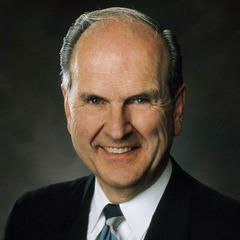
Russell M. Nelson
Russell M. Nelson is a renowned American surgeon, born on September 9, 1924. He has made significant contributions to the field of medicine, particularly in cardiac surgery. Dr. Nelson has performed thousands of heart surgeries throughout his career and is known for his innovative techniques in the field. more
You May Also Like
Source: The Illusions of Hope
“We will become something new, something which has never been before." "We will become death.”
Source: Scion of Midnight
Source: Charismatic Connection: The Authentic Soul Mate Experience
“Do not apologize for your sacred body. All of you is holy.”
Source: A Yoga Teacher's Guide to Creative Living
Source: The Body: Temple of the Ego and Soul
Source: Unapologetically You: Reflections on Life and the Human Experience
Source: Wrong Planet - Searching for your Tribe
“Foolhardiness shouldn’t be confused for animus.”
Source: In Limbo
Source: Time to Think: The Inside Story of the Collapse of the Tavistock's Gender Service for Children