Quotessence
Home / Quotes / Quote by Jean Baudrillard

Quote by Jean Baudrillard

“Challenger and Chernobyl: the only felicitous accidents, like a freeze-frame of the system. In the same way as a photo arrests movement and restores the unforgettable character that it had lost, the Challenger explosion has revived our imagination where space is concerned. The photos of Challenger were only so beautiful because they fixed in our minds the secret destination of the adventure of space travel, whereas its speed only gives us the apparent movement.”

Quote by Jean Baudrillard

Work

Cool memories

This book is a compilation of personal anecdotes and memories that evoke a sense of nostalgia for the reader, capturing the essence of bygone times and the emotions associated with them. more

Author

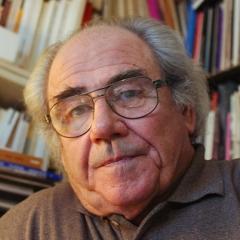
Jean Baudrillard
Jean Baudrillard

Jean Baudrillard was a French philosopher known for his critical studies on consumerism, media, and semiotics. His theories have had a profound impact on postmodernism and cultural studies. more

You May Also Like

“Ama sanat, hasta birinden elde edilen serum gibi, başkalarının deneyimlerini bedeninize zerk edebilir. Çernobil, tam Dostoyevski’lik bir konu. İnsanı maruz gösterme girişimi. Ya da belki, her şey son derece basittir: Dünyaya parmak uçlarında yaklaşıp tam eşikte durmak lazımdır, kimbilir?! Bu ilahi dünyayı hayretle seyredip… O şekilde sürdürmek lazımdır yaşamı…”

“In 2019, I went on a tour of Chernobyl. The Ukrainian guide who explained what led to the nuclear accident said something that stuck in my mind. “Americans grow up with the idea that questions lead to answers,” he said. “But Soviet citizens grew up with the idea that questions lead to trouble.”

“Jedného dňa so sebou priviedli vlastného dozimetristu a násilím otvorili sklad rádioaktívneho odpadu. Prinútili ma tam ísť. Pod namierenou hlavňou samopalu. Prišiel som v protiradiačnom odeve, v ochranných okuliaroch a rukaviciach. Oni len tak, v uniformách. Zase ten sebavedomý úsmev. ‚Tak to konečne máme, inžinierko,‘ hovorí jeden z nich. ‚Tu ukrývate tie laboratóriá na biologické zbrane!‘ Všetko som pochopil. Oni si naozaj mysleli, že ak obsadia Černobyľ, nájdu tu americkú základňu, v ktorej sa vyvíjajú biologické zbrane. Nebola to žiadna informačná hra. Mysleli to smrteľne vážne. Verili tomu. „A našli?“ „V momente, ako otvorili ťažké ochranné dvere, dozimetre sa zbláznili. Vyskočili za maximálne merateľné limity. Dozimetrista odtial utiekol. Zostali armádni plukovníci a ich vojaci. Jeden z nich zdvihol holou rukou tubu. Bol to kobalt-60. Začal si ho fotit‘. Povedal som: ‚Ak náhodou bývate v jednej izbe s týmto šialencom, radšej rovno napíšte svojim ženám. Nech si začnú hľadať nových mužov.‘ Oni: „Geňa, okamžite to polož!“ Všetci utiekli.”

“You immediately found yourself in this fantastic world, where the apocalypse met the stone age. We lived in the forest, in tents, 200km from the reactor, like partisans. We were between 25 and 40; some of us had university degrees or diplomas. I'm a history teacher, for example. Instead of machine guns they gave us shovels. We buried trash heaps and gardens. The women in the villages watched us and crossed themselves. We had gloves, respirators and surgical robes. The sun beat down on us. We showed up in their yards like demons. They didn't understand why we had to bury their gardens, rip up their garlic and cabbage when it looked like ordinary garlic and ordinary cabbage. The old women would cross themselves and say, "Boys, what is this - is it the end of the world?" In the house the stove's on, the lard is frying. You put a dosimeter to it, and you find it's not a stove, it's a little nuclear reactor. I saw a man who watched his house get buried. We buried houses, wells, trees. We buried the earth. We'd cut things down, roll them up into big plastic sheets. We buried the forest. We sawed the trees into 1.5m pieces and packed them in Cellophane and threw them into graves. I couldn't sleep at night. I'd close my eyes and see something black moving, turning over - as if it were alive - live tracts of land, with insects, spiders, worms. I didn't know any of them, their names, just insects, spiders, ants. And they were small and big, yellow and black, all different colours. One of the poets says somewhere that animals are a different people. I killed them by the ten, by the hundred, thousand, not even knowing what they were called. I destroyed their houses, their secrets. And buried them. Buried them. Arkady Filin Liquidator”