“Homeless as he had been,-continually changing his whereabout,and,therefore,responsible neither to public opinion nor to individuals,-putting off one exterior, and snatching up another, to be soon shifted for a third,-he had never violated the innermost man but had carried his conscience along with him.”
Quote by Nathaniel Hawthorne
Work
The house of the seven gables
Nathaniel Hawthorne's novel is a psychological and historical narrative that delves into the dark secrets of a New England family and their ancestral home, the House of the Seven Gables, which is imbued with a sense of Gothic atmosphere and symbolism. more
Author
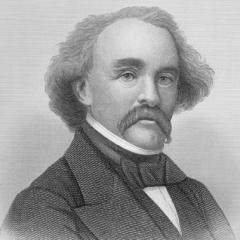
Nathaniel Hawthorne
Nathaniel Hawthorne was an American novelist known for his Gothic novels and romantic works. His writings often delve into themes of morality and sin, influenced by his family history and Puritan background. more
You May Also Like
“Don't listen to people--listen to yourself.”
Source: Live and Remember
“my love for you will always be like a mountain stream. quiet. persistent. continuous.”
Source: A Thousand Flamingos
“We would do well to ask how people describe themselves.”
Source: Cali the Destroyer
“Attachments to the self-and/or others, give birth to Karma.”
Source: The Myth of Sisyphus and Other Essays