“To be, or not to be: that is the question: Whether 'tis nobler in the mind to suffer The slings and arrows of outrageous fortune, Or to take arms against a sea of troubles, And by opposing end them? To die: to sleep; No more; and by a sleep to say we end The heart-ache and the thousand natural shocks That flesh is heir to, 'tis a consummation Devoutly to be wish'd. To die, to sleep; To sleep: perchance to dream: ay, there's the rub; For in that sleep of death what dreams may come When we have shuffled off this mortal coil, Must give us pause: there's the respect That makes calamity of so long life; For who would bear the whips and scorns of time, The oppressor's wrong, the proud man's contumely, The pangs of despised love, the law's delay, The insolence of office and the spurns That patient merit of the unworthy takes, When he himself might his quietus make With a bare bodkin? who would fardels bear, To grunt and sweat under a weary life, But that the dread of something after death, The undiscover'd country from whose bourn No traveller returns, puzzles the will And makes us rather bear those ills we have Than fly to others that we know not of? Thus conscience does make cowards of us all; And thus the native hue of resolution Is sicklied o'er with the pale cast of thought, And enterprises of great pith and moment With this regard their currents turn awry, And lose the name of action.--Soft you now! The fair Ophelia! Nymph, in thy orisons Be all my sins remember'd!”
Quote by William Shakespeare
Work
Hamlet, a prince of Denmark, returns home after his father's death to find his uncle on the throne and his mother married to him. The play explores themes of madness, betrayal, and moral ambiguity as Hamlet seeks to avenge his father's murder. Its rich language and intricate plot have made it a cornerstone of Western literature. more
Author
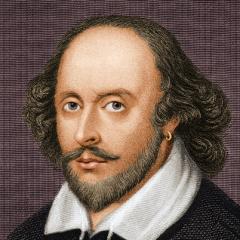
William Shakespeare (1564 - April 23, 1616) was one of the greatest poets of the English Renaissance, renowned for his dramatic works. His plays spanned a variety of genres, including tragedy, comedy, and history, and have had a profound impact on literature worldwide. more
You May Also Like
“We need you to help us figure out how you can help us.”
“You need your speace to strech your wings.You will learn in the due time to fly higher.”
“Here is a nice tip, safe the shit which now you are saying for later one day you will need it.”