“No matter how narrow our perceptions become in the daily obsessions of the organization, there is no such thing as a life lived only within an organization. There are other necessities calling us to a much greater participation than any corporation can offer. The most efficiently run, streamlined organization, the best-groomed, most-organized executive is interwoven with the ragged vagaries of creation, and despite our best attempts to anchor ourselves in the concrete foundations of profitability and permanence, we remain forever at the whim, mercy, and pleasure of the wind-blown world. Ironically, we bring more vitality into our organizations when we refuse to make their goals the measure of our success and start to ask about the greater goals they might serve, and when we stop looking to them as parents who will supply necessities we can only obtain when we wrestle directly with our own destiny. In a sense, we place the same burdens on our organizational life as we place on the rest of our existence. We feel there is something wrong at the center of it all, and we have to put it right. We are forever looking for a cure for our ills. We do this by placing ourselves in the position of manager, of thus managing change. Unless it is managed, something is wrong. But our real unconscious and underlying wish is to find a cure for the impermanence of life, and for that there is no remedy. Most of the difficulties we confront at work are no different from those human beings have been dealing with for millenia. Life is full of loneliness, failure, grief, and loss to an extent that terrifies us, and we will do anything to will ourselves another existence.”
Quote by David Whyte
Work
The Heart Aroused: Poetry and the Preservation of the Soul in Corporate America
This book delves into the intersection of poetry and corporate America, analyzing how poetry can serve as a means of preserving the soul amidst the pressures and homogeneity of the corporate environment. It investigates the transformative power of poetry in fostering a sense of identity and connection in the workplace. more
Author
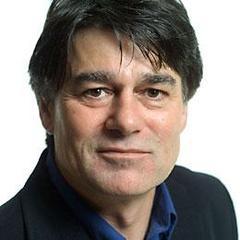
David Whyte
David Whyte, born on November 2, 1955, is a renowned poet whose works are known for their profound emotion and philosophical insights. His poetry covers themes of life, nature, and the human condition. more
You May Also Like
“We all pay a price for unethical organizational behaviour.”
“Do you want to resolve a conflict successfully? Don't wait, start a conversation.”
Source: Losing Faith in Faith: From Preacher to Atheist
Source: Misbehaving: The Making of Behavioral Economics