Quotessence
Home / Quotes / Quote by Eric Weiner

Quote by Eric Weiner

Work

The Geography of Bliss: One Grump's Search for the Happiest Places in the World

This book delves into the concept of happiness by traveling to different countries and analyzing the factors that contribute to their residents' well-being. more

Author
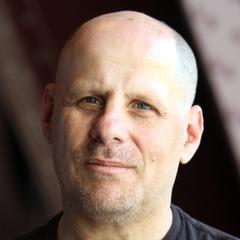
Eric Weiner
Eric Weiner

Eric Weiner is a renowned author, born in 1963. His works cover a range of topics including travel, culture, and society, known for their unique perspective and profound insights. more

You May Also Like

“When she was dying, it was impossible to see forward to the next minute. What was happening — for whole weeks — was all that was happening and happening and happening. Months before that, I got the dumb soup wrong. How awful. It was all she wanted and I had gotten it wrong. Then, in the airless days when it was really happening, we started to power panic that we didn’t know enough. What should we do with your ashes? Water or dirt. Water or dirt. Once, she asked to just be thrown into the river where we used to go, still alive, but not living anymore. After it was done, I couldn’t go back to my life. You understand, right? It wasn’t the same. I couldn’t tell if I loved myself more or less. It wasn’t until later, when I moved in with him and stood outside on our patchy imperfect lawn, that I remembered what had been circling in me: I am beautiful. I am full of love. I am dying.”

“Sherrie described atheism as a positive system of belief—one based on data, exploration and observation rather than scripture, creed and prayer. Atheists believe that human life is a chemical phenomenon, that our first parents were super-novas that happened billions of years ago—that humans are inexplicable miracles in a universe of structured chaos. Atheists believe that when we die, we will turn into organic debris which will continue cycling for billions of years in various incarnations. Sherrie explained that atheists appreciate life unfathomably because it is going to end. No one who takes atheism seriously dies without hope.”

“It is the heaviest stone that melancholy can throw at a man, to tell him he is at the end of his nature; or that there is no further state to come, unto which this seems progressional, and otherwise made in vain. Without this accomplishment, the natural expectation and desire of such a state, were but a fallacy in nature; unsatisfied considerators would quarrel the justice of their constitutions, and rest content that Adam had fallen lower; whereby, by knowing no other original, and deeper ignorance of themselves, they might have enjoyed the happiness of inferior creatures, who in tranquillity possess their constitutions, as having not the apprehension to deplore their own natures, and, being framed below the circumference of these hopes, or cognition of better being, the wisdom of God hath necessitated their contentment: but the superior ingredient and obscured part of ourselves, whereto all present felicities afford no resting contentment, will be able at last to tell us, we are more than our present selves, and evacuate such hopes in the fruition of their own accomplishments.”

“There are many cells in your body that are dying as you read these words. Fifty to seventy billion cells die each day in the average human adult. You are too busy to organise funerals for all of them! At the very same time, new cells are being born, and you don't have the time to sing Happy Birthday to them. If old cells don't die, there's no chance for new cells to be born. So death is a very good thing. It's very crucial for birth. You are undergoing birth and death in this very moment.”