Quotessence
Home / Quotes / Quote by Theodore Roethke

Quote by Theodore Roethke

Work

The Collected Poems

This book encompasses a wide range of poetic works, showcasing the author's diverse styles and themes throughout their career. more
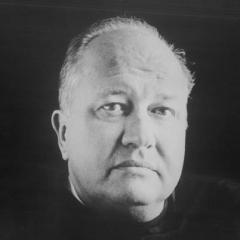
Author

Theodore Roethke
Theodore Roethke

Theodore Roethke was an American poet known for his deep emotions and rich imagination. His poetry often explores themes of human emotion and the natural world, enjoying great popularity among readers. more

You May Also Like

“The more stressful the job, the more intentional I've always been about helping my team members find joy in our work. Laughter is the outward manifestation of joy, so I believe if I'm doing it right, and helping people connect to the meaning and joy in their work, there will be laughter in the workplace. Laughter is also a good indication that people aren't taking themselves too seriously.”

“I laid out my five expectations that first day [as FBI Director] and many times thereafter: I expected [FBI employees] would find joy in their work. They were part of an organization devoted to doing good, protecting the weak, rescuing the taken, and catching criminals. That was work with moral content. Doing it should be a source of great joy. I expected they would treat all people with respect and dignity, without regard to position or station in life. I expected they would protect the institution's reservoir of trust and credibility that makes possible all their work. I expected they would work hard, because they owe that to the taxpayer. I expected they would fight for balance in their lives. I emphasized that last one because I worried many people in the FBI worked too hard, driven by the mission, and absorbed too much stress from what they saw. I talked about what I had learned from a year of watching [a previous mentor]. I expected them to fight to keep a life, to fight for the balance of other interests, other activities, other people, outside of work. I explained that judgment was essential to the sound exercise of power. Because they would have great power to do good or, if they abused that power, to do harm, I needed sound judgment, which is the ability to orbit a problem and see it well, including through the eyes of people very different from you. I told them that although I wasn't sure where it came from, I knew the ability to exercise judgment was protected by getting away from the work and refreshing yourself. That physical distance made perspective possible when they returned to work. And then I got personal. "There are people in your lives called 'loved ones' because you are supposed to love them." In our work, I warned, there is a disease called "get-back-itis." That is, you may tell yourself, "I am trying to protect a country, so I will get back to" my spouse, my kids, my parents, my siblings, my friends. "There is no getting back," I said. "In this line of work, you will learn that bad things happen to good people. You will turn to get back and they will be gone. I order you to love somebody. It's the right thing to do, and it's also good for you.”