Quotessence
Home / Quotes / Quote by Samuel Shem

Quote by Samuel Shem

Work

The House of God

This novel takes readers into the intense and often humorous world of a hospital, focusing on the personal and professional challenges faced by its doctors, nurses, and other medical personnel. more
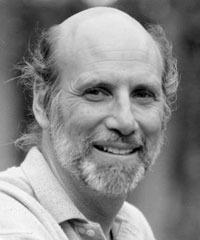
Author

Samuel Shem
Samuel Shem

Samuel Shem is an American doctor and writer, born in 1944. His works often explore medical ethics and the psychological state of doctors. Shem is known for his unique narrative style and profound insights into medical practice. more

You May Also Like

“It took until the end of her life for me to cherish each day with my mother the way I naturally did with my brother. At the end, I loved my mother simply, without request to do better in any way, or be more capable in any way. I simply loved that she was there, and she was my mother. I wish I did that more often in my life. I will do that more often in my life for those who are still here.”

“My lessons from my mother’s life are many, but one that stings the most and the one I want to imbue in my heart is to not judge people negatively by how they act, even if they look normal, or have been normal in your past, because you never know what they have to fight inside — something they never chose to have. The answer to Dustin walking was not willpower. He was not born to walk, and while trying made us better people, more practice wasn’t the answer — compassion was. The answer to the feeling that I was losing my mother slowly over the years was not to try to motivate her into a new perspective to magically fix all the problems — it was love.”

“I entered the picture in the eleventh hour as a guide to the exit of his life. I navigated as best I could the role of end-of-life shepherd—a journey that I had never taken before. I have to forgive myself for what I did not know. And I have to forgive him for the times that he felt unequipped to deal with the unknown.”

“[We think our job is to ensure health and survival. But really it is larger than that. It is to enable well-being. And well-being is about the reasons one wishes to be alive. Those reasons matter not just at the end of life, or when debility comes, but all along the way. Whenever serious sickness or injury strikes and your body or mind breaks down, the vital questions are the same: What is your understanding of the situation and its potential outcomes? What are your fears and what are your hopes? What are the trade-offs you are willing to make and not willing to make? And what is the course of action that best serves this understanding?”