“It was against this backdrop that the great fortunes were made, fortunes which allowed the first families to dominate the society of that era. Theodore Parker, a crusading minister in the 1840s, wrote of the Lowells and these other great families: “This class is the controlling one in politics. It mainly enacts the laws of this state and the nation; makes them serve its turn . . . It can manufacture governors, senators, judges to suit its purposes as easily as it can manufacture cotton cloth. This class owns the machinery of society . . . ships, factories, shops, water privileges.” They were also families which had a fine sense of protecting their own position, and they were notorious for giving large grants to Harvard College, which was their college, and just as notorious for doing very little for public education.”
Quote by David Halberstam
Work
The Best and the Brightest
This book delves into the lives and decisions of key figures who were instrumental in the formulation and execution of American foreign policy during the Vietnam era. It analyzes the motivations, strategies, and mistakes made by these leaders, providing a nuanced understanding of the complex issues surrounding the war. more
Author
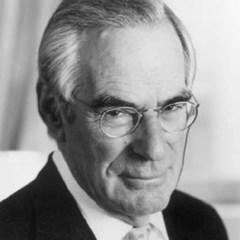
David Halberstam
David Halberstam was an American journalist and author renowned for his comprehensive reporting and insightful analysis of American society and politics. Born on April 10, 1934, in New York City, he passed away on April 23, 2007. more
You May Also Like
Source: The Best and the Brightest
Source: The Finkler Question
“Louisa Musgrove is an idiot.”
Source: Aided By Austen
Source: Lizzy and Jane
“Meditative thoughts assist people escape a vapid fantasy life and reconnect with ultimate reality.”
Source: Dead Toad Scrolls