Quotessence
Home / Quotes / Quote by Sigmund Freud

Quote by Sigmund Freud

Work

New Introductory Lectures on Psychoanalysis

This book delves into the core principles of psychoanalysis, offering an in-depth exploration of the theories and methodologies developed by key figures in the field. It is designed as a foundational text for students and professionals seeking to understand the discipline's historical context and its contemporary applications. more

Author
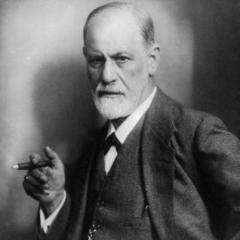
Sigmund Freud
Sigmund Freud

Sigmund Freud, born on May 6, 1856, in Moravia, and died on September 23, 1939, in London, was an Austrian neurologist and the founder of psychoanalysis. Known as the father of modern psychology, Freud made significant contributions to the understanding of human psychology, introducing concepts such as the unconscious mind, dream analysis, and sexual theory. more

You May Also Like

“Sorrel always thought herself happy in the little village by the sea. She was content among her flowers and specimen trees, the extraordinary roses and lilacs, sweet peas and hydrangeas that bloomed- somehow simultaneously and for months beyond reason- in the Nursery. She found great pleasure in picking the pears, cherries, and apples for Nettie's tarts, the tender young peas and beans, the lettuce so green it glowed, and the nasturtiums and violas that her sister used in her salads. She was grateful for Patience's remedies on the rare occasion when she felt ill. But Sorrel's hands were happiest deep in the soil and curled around the stems of the flowers she grew and arranged.”

“It was as Frank said: the Sparrow Sisters Nursery had quite a reputation. Sally told Henry about the Nursery that was now a landmark in the town. The plants that grew in tidy rows, the orchids that swayed delicately in the beautiful glass greenhouses, and the herbs and vegetables sown in knot gardens around the land were much in demand. Sorrel had planted a dense little Shakespeare garden as a tribute to her reading habits. The lavender, rosemary, roses and honeysuckle, clematis and pansies, creeping thyme and sage were not for sale in that garden, but Sorrel would re-create versions of it for clients whose big houses on the water needed the stamp of culture, even if their owners had little idea what their lovely gardens meant.”

“The walls were covered in paper that might once have been blue and white stripe, but which time and moisture had turned murky gray, spotted and peeling in places. Faded scenes from Hans Christian Andersen hung along one side: the brave tin soldier atop his fire, the pretty girl in red shoes, the little mermaid weeping for her lost past. It smelled musty, of ghostly children and long-settled dust. Vaguely alive.”