“For please to tell me what is better to look at than a lovely woman, and I will come from my dinner to see. And all women, never mind who, or what, have a loveliness of their own, so who will say that we must cover our eyes and see nothing only stones and sky, is one without good sense and feeling, an ingrate for the gift of vision, and barely half a man.”
Quote by Richard Llewellyn
Work
HOW GREEN WAS MY VALLEY
This classic novel by Richard Llewellyn delves into the life of a young boy named David, whose family is part of a Welsh coal mining community. The story captures the essence of a bygone era, highlighting the challenges and triumphs of the working class. Set against the backdrop of the industrial revolution, it offers a poignant look at the changes affecting the community and the boy's personal growth. more
Author
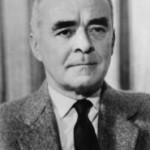
Richard Llewellyn
Richard Llewellyn was a renowned Welsh novelist, born on December 8, 1906, and passed away on November 30, 1983. His works are known for their vivid portrayal of rural Welsh life, which has won him a wide readership. more
You May Also Like
Source: Men Who Hate Women: The Extremism Nobody is Talking About
“Grandma told me, that when men hear predictions they get afraid. But women get busy”
Source: Forager: Field Notes for Surviving a Family Cult
Source: Madonna in a Fur Coat
Source: Lo que sabe la señorita Kim
Source: Lo que sabe la señorita Kim
Source: Lo que sabe la señorita Kim
Source: Lo que sabe la señorita Kim