Quotessence
Home / Quotes / Quote by Nathaniel Hawthorne

Quote by Nathaniel Hawthorne

“He was not ill-fitted to be the head and representative of a community which owed its origin and progress, and its present state of development, not to the impulses of youth, but to the stern and tempered energies of manhood and the sombre sagacity of age; accomplishing so much, precisely because it imagined and hoped so little.”

Quote by Nathaniel Hawthorne

Work

The Scarlet Letter

Nathaniel Hawthorne's classic novel is a profound exploration of human nature and the consequences of sin in a Puritan community. The protagonist, Hester Prynne, faces societal judgment and personal turmoil after being caught in an adulterous affair. The novel delves into themes of guilt, forgiveness, and the struggle for identity, while also examining the complexities of human relationships and the role of society in shaping individual lives. more

Author

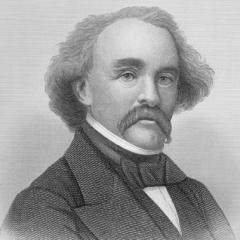
Nathaniel Hawthorne
Nathaniel Hawthorne

Nathaniel Hawthorne was an American novelist known for his Gothic novels and romantic works. His writings often delve into themes of morality and sin, influenced by his family history and Puritan background. more

You May Also Like

“The great fact all the while however had been the incalculability; since he had supposed himself, from decade to decade, to be allowing, and in the most liberal and intelligent manner, for brilliancy of change. He actually saw that he *had* allowed for nothing; he missed what he would have been sure of finding, he found what he would never have imagined. Proportions and values were upside-down; the ugly things he had expected, the ugly things of his far away youth, when he had too promptly waked up to a sense of the ugly--these uncanny phenomena placed him rather, as it happened, under the charm; whereas the 'swagger' things, the modern, the monstrous, the famous things, those he had more particularly, like thousands of ingenuous enquirers every year, come over to see, were exactly his sources of dismay. They were as so many set traps for displeasure, above all for reaction, of which his restless tread was constantly pressing the spring. It was interesting, doubtless, the whole show, but it would have been too disconcerting hadn't a certain finer truth saved the situation. He had distinctly not, in this steadier light, come over *all* for the monstrosities; he had come, not only in the last analysis but quite on the face of the act, under an impulse with which they had nothing to do. ("The Jolly Corner")”