“After all, that is what the merely casual onlooker always sees — the outward appearance, the non-functional, the surfaces of things. No one who is really involved in the landscape ever sees the landscape.”
Quote by George Orwell
Work
A Collection of Essays
A Collection of Essays is a curated selection of written pieces, each crafted to explore and discuss different themes and ideas. The collection may include works from various authors, each contributing their own voice and expertise to the compilation. The essays are expected to delve into subjects that span a wide spectrum, from personal reflections to scholarly analyses, providing readers with a rich tapestry of intellectual exploration. more
Author
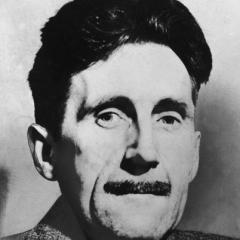
George Orwell
George Orwell, born Eric Arthur Blair, was a British novelist and political critic. Known for his sharp social criticism and profound insights into totalitarianism, Orwell is best remembered for his novels '1984' and 'Animal Farm', which remain influential to this day. more
You May Also Like
“Learn how to lead, with your body and actions, not words.”
Source: The Explorer's Mindset: Unlock Health Happiness and Success the Fun Way
Source: Brave New World
Source: Unlimited Power: The New Science of Personal Achievement
Source: The Great Night
“The best driver for change is action.”
Source: Build Bridges not Walls: In the name of Americana
“Rome was not built in one day; But one day Rome was built.”
“Let me tell you: the shudder of fear is as sensual as the shudder of pleasure, if not more so.”