“Louis found me in the rear parlor, the one more distant from the noises of the tourists in the Rue Royale, and with its windows open to the courtyard below. I was in fact looking out the window, looking for the cat again, though I didn't tell myself so, and observing how our bougainvillea had all but covered the high walls that enclosed us and kept us safe from the rest of the world. The wisteria was also fierce in its growth, even reaching out from the brick walls to the railing of the rear balcony and finding its way up to the roof. I could never quite take for granted the lush flowers of New Orleans. Indeed, they filled me with happiness whenever I stopped to really look at them and surrender to their fragrance, as though I still had the right to do so, as though I still were part of nature, as though I were still a mortal man.”
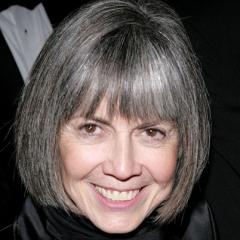
Quote by Anne Rice
Book:Merrick
Work
Author
You May Also Like
Source: Memnoch the Devil
Source: Dear Son: An Imaginary Letter from a Loving Dad
Source: Mostly Void, Partially Stars
Source: Mostly Void, Partially Stars
“The cliché comes not in what you shoot but in how you shoot it.”
Source: Within the Frame: The Journey of Photographic Vision
Source: The Magic Mountain
Source: Dear Son: An Imaginary Letter from a Loving Dad
Source: How Hard Can Love Be?
Source: Year Of The King