“What a temptation, at certain moments, to turn one's back on this bleak, fleshless world! But this time is ours, and we cannot live hating ourselves...Admission of ignorance, rejection of fanaticism, the limits of the world and of man, the beloved face, and finally beauty...It lies in the struggle between creation and inquisition.”
Quote by Albert Camus
Work
The Myth of Sisyphus and Other Essays
This book is a compilation of essays that delve into the philosophical concepts of existentialism, focusing on the human experience and the meaning of life. It includes discussions on the nature of existence, the absurdity of life, and the role of individual freedom and responsibility. more
Author
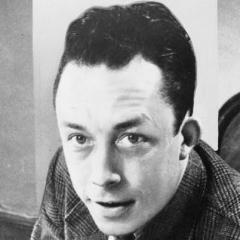
Albert Camus
Albert Camus was a French author and philosopher, born on November 7, 1913, and died on January 4, 1960. Known for his unique existentialist philosophy and profound insights into human suffering, Camus' works include 'The Stranger', 'The Plague', and 'The Myth of Sisyphus', which have had a profound impact on 20th-century literature. more
You May Also Like
Source: Mücadele Muhabbet: Gospel of An Unarmed Soldier
“He who thinks he knows it all, knows very little." ~ Dr. MaryAnn Diorio”
Source: A Gentleman in Moscow
Source: The Way of All Flesh
Source: Die Nachfolge Christi
“Feel the ground, be the ground, raise the ground.”
Source: Dervish Advaitam: Gospel of Sacred Feminines and Holy Fathers
Source: Dervish Advaitam: Gospel of Sacred Feminines and Holy Fathers
Source: The Sea Lions Or The Lost Sealers