“Etienne now commanded a view of the whole district. It was still very dark, but the old man had peopled the darkness with untold sufferings, which the young one could sense all round him in the limitless space. Could he not hear a cry of famine borne over this bleak country by the March wind? The gale had lashed itself into a fury and seemed to be blowing death to all labour and a great hunger that would finish off men by the hundred. And with his roving eye he tried to peer through the gloom, with a tormenting desire to see and yet a fear of seeing. Everything slid away in the dark unknown, and all he could see was distant furnaces and coke-ovens which, set in batteries of a hundred chimneys arranged obliquely, made sloping lines of crimson flames; whilst further to the left the two blast-furnaces were burning blue in the sky like monstrous torches. It was as depressing to watch as a building on fire: as far as the threatening horizon the only stars which rose were the nocturnal fires of the land of coal and iron.”
Quote by Emile Zola
Work
Written by Émile Zola, this novel is part of his naturalist literary movement. It delves into the harsh realities of the mining industry, depicting the lives of miners, their families, and the social issues they face. The story follows the lives of Etienne Lantier and his fellow workers as they fight against the oppressive conditions and the corrupt mine owners. more
Author
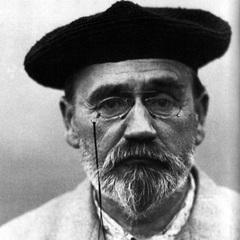
French writer born on April 2, 1840, and died on September 29, 1902. Émile Zola is known for his naturalist literary style and profound depiction of social reality. more
You May Also Like
“I have scars. They are not ugly. There is no need for shame. My scars are part of my story.”
“Mature'? Good grief! I'm not a cheese. Or a herbaceous border.”
“Orna Davidzon : the avant-garde queen of private art collection ...”
“Being inspired by a great personality is not enough. You have to take actions to succeed.”