Quotessence
Home / Quotes / Quote by Galway Kinnell

Quote by Galway Kinnell

“The bud stands for all things, even for those things that don’t flower, for everything flowers, from within, of self-blessing; though sometimes it is necessary to reteach a thing its loveliness, to put a hand on its brow of the flower and retell it in words and in touch it is lovely until it flowers again from within, of self-blessing”

Quote by Galway Kinnell

Work

Three Books: Body Rags; Mortal Acts, Mortal Words; The Past

Browse quotes and source details for this work. more

Author
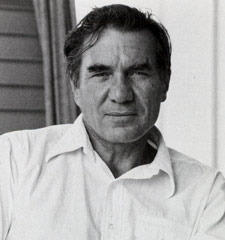
Galway Kinnell
Galway Kinnell

Galway Kinnell was an American poet celebrated for his evocative and often mystical imagery. His poetry frequently delved into themes of nature, spirituality, and the human condition, earning him a place among the most influential poets in American literature. Kinnell's work is known for its emotional depth and lyrical beauty, which have garnered him numerous awards and a lasting legacy. more

You May Also Like

“Rare are the principles that drive us to stand even when we realize that we will likely perish in the standing. And rarer still is the person who will surrender everything to protect such principles. Yet, these very characteristics are the unbending elements that raised this nation up from untamed wilderness and turmoil, and let us all be warned that without them we will rapidly return this nation to untamed wilderness and turmoil.”

“I don’t understand,’ said the boy. ‘I thought aesthetic decisions could be completely immoral. What about the cliché of the artist who leaves his wife and children so he can paint? Or Nero playing the harp while Rome burned?’ ‘Both were moral decisions. Both served a higher good, in the mind of the artist. The conflict lies between the morals of the artist and the morals of society, not between aesthetics and morality. But often this isn’t understood; and here comes the waste, the tragedy. An artist, stealing paints from a store, for example, imagines himself to have made an inevitable but immoral decision, and then he sees himself as fallen from grace; what follows is despair and petty irresponsibility, as if morality were a great glass world which can be utterly shattered by one act. But this was not my great concern then. I did not know these things then. I believed I killed animals for aesthetic reasons only, and I hedged against the great moral question of whether or not by my very nature I was damned.”