Quotessence
Home / Quotes / Quote by Sherwood Anderson

Quote by Sherwood Anderson

Work

Sherwood Anderson: Short Stories

This compilation features a selection of Sherwood Anderson's short stories, showcasing his distinctive narrative style and his exploration of themes such as personal identity, social conformity, and the human condition during the early 20th century. more

Author
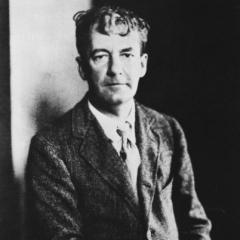
Sherwood Anderson
Sherwood Anderson

American novelist known for his profound insights into the lives of the American middle class. Anderson's works often focus on the inner world and social status of ordinary people, and his style is concise and direct, which has had a profound impact on American literature. more

You May Also Like

“She would toss in everything from mint, which signified virtue, to honeysuckle for love, fennel for strength (it was very strong in taste) and peppermint for warmth of feeling. Mint also helped settle upset stomachs and the apothecary told Rosamund fennel would ease flatulence, which made her chuckle. She would be sure to add some to Sam's chocolate. Hyssop and anise seed, she knew from Widow Cecily back at Gravesend, would help with a cold, as would marshmallow and orange or lemon juice.”

“My family’s medicine cabinet was never stocked with Tylenol or Dayquil like in other homes. Instead, jars of turmeric, dried basil leaves, black pepper balls, ginger powder, kasturi pills, and other kitchen ingredients lined the shelves of our bathroom.”

“In truth, there will never be enough power in the presidency for an incumbent to make good on a purely constructive leadership project, and it is unlikely that there will ever be another president stretched so thinly by a determination to use great power to do just that. Lyndon Johnson was a full-service president who had at his disposal an alignment of political resources, economic resources, international resources, and military resources unmatched in the annals of presidential history. The problem is that in a full-service presidency, where no interest of political significance is denied a modicum of legitimacy, resources turn fickle; the exercise of power consumes authority. Committed to a wholly affirmative result, Johnson could not rest content to let anyone carry the brunt of change.”

“The appropriate response of an American president to humanitarian crises abroad remains very much in dispute. Abstract principles translate into precise guidelines for action only in untestable, retrospective judgments on past crises. Even the most powerful and persuasive American presidents are hemmed in by public and congressional opinion, bureaucratic pressures, and the views of allied powers. Even well-intentioned decisions may have unintended and perverse results.”