Quotessence
Home / Quotes / Quote by John Ruskin

Quote by John Ruskin

“If the pleasure of change is too often repeated, it ceases to be delightful, for the change itself becomes monotonous, and we are driven to seek delight in extreme and fantastic degrees of it. This is the diseased love of change that brought the end of the gothic school.”

Quote by John Ruskin

Work

On Art and Life

Browse quotes and source details for this work. more

Author

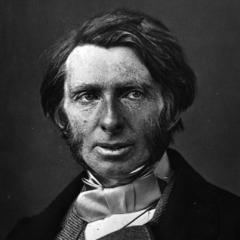
John Ruskin
John Ruskin

John Ruskin was an influential British art critic, writer, and social critic. Known for his profound insights into art, architecture, and social issues, he had a significant impact on the aesthetics and culture of the Victorian era. more

You May Also Like

“It is not that the noble nature loves monotony, any more than it loves darkness or pain. But it can bear with it, and receive a high pleasure in the endurance or patience, a pleasure necessary to the well-being of this world; while those who will not submit to the temporary sameness, but rush from one change to another, gradually dull the edge of change itself, and bring a shadow and weariness over the whole world from which there is no more escape.”

“Artists must also reckon with the uncanny feeling that by the time we’ve finished a new work, we’ve often ended up creating something different from what we set out to do. This feeling of surprise, of the unexpected, can delight or disappoint us. … The creative process is an inexplicable, inspired, crystallizing place where the artist becomes an audience to the work, almost doesn’t know where it came from.”

“Kierkegaard says that all speculative philosophy cannot equal in complexity the dialectic of a woman who has been deceived. He goes on to explain that such a woman cannot find an object for her pain, because love cannot grasp the thought that it has been deceived. In art, it is the system itself that holds out the false promise, that deceives. We might almost say that art is in pain, because it is unable to believe this deception is taking place. The artist feels his work goes badly because he is not reaching technical perfection. Actually, he is looking into the eyes of a deceiver, who constantly throws him back into the dilemma — the paradox. Is it lying to me or not, he asks himself. He ends by believing the lie, in the face of all evidence against it, because he needs this lie to exist in his art.”