Quotessence
Home / Quotes / Quote by Sherman Alexie

Quote by Sherman Alexie

Work

War Dances

War Dances is a narrative that delves into the profound effects of war on the lives of soldiers and the societies they come from. The story weaves together the experiences of various characters, highlighting the complexities of conflict and its aftermath. more
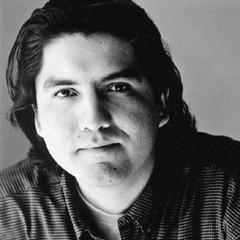
Author

Sherman Alexie
Sherman Alexie

Sherman Alexie is an American poet, writer, and actor, known for his works that reflect the life of Native Americans. He was born on October 7, 1966, and grew up in the Confederated Tribes of the Umatilla Indian Reservation in Rainier, Washington. more

You May Also Like

“I suppose like others I have come through fire and sword, love gone wrong, head-on crashes, drunk at sea, and I have listened to the simple sound of water running in tubs and wished to drown but simply couldn't bear the others carrying my body down three flights of stairs to the round mouths of curious biddies... the world has been darker than lights out in a closet full of hungry bats, and the whiskey and wine entered our veins when blood was too weak to carry on; and it will happen to others...”

“The night like ink it stains the surfaces it spilt across the words as though some poet bearing veins of indigo they asked you once by day to bind before the night like ink dissolved within them and the words returning to their wordless state become the beats that take all paths leading from the heart returning to it the night dissolved like ink in the veins of any poet”

“To be a poet, I realized, a true poet, was to become the Avatar of humanity incarnate; to accept the mantle of poet is to carry the cross of the Son of Man, to suffer the birth pangs of the Soul-Mother of Humanity. To be a true poet is to become God. I tried to explain this to my friends on Heaven’s Gate. ‘Piss, shit,’ I said. ‘Asshole motherfucker, goddamn shit goddamn. Cunt. Peepee cunt. Goddamn!’ They shook their heads and smiled, and walked away. Great poets are rarely understood in their own day.”

“It is this capacity to embody (incarnate) protest that gives the poet the advantage over others who decry the times in editorials, letters, placards, the brightest satirical prose. The poet and his poems put us in the peace march, at the hanging tree, inside the skin and bones of the hungry, before the awesome tyranny of the powers and principalities, and under the mushroom burst of the Bomb.”