“If you can't get to be uncommon through going straight, you'll never get to do it through going crooked. [...] live well and die happy.”
Book:Great Expectations
“If you can't get to be uncommon through going straight, you'll never get to do it through going crooked. [...] live well and die happy.”
This novel follows the journey of Pip, a young boy who is raised by his sister and her husband, Joe Gargery, a blacksmith. After receiving a mysterious gift that leads him to believe he has been chosen for a better life, Pip embarks on a quest to fulfill his 'great expectations.' The story delves into Pip's interactions with various characters, including the wealthy Miss Havisham and her adopted daughter Estella, and the convict Magwitch, who ultimately reveals a profound connection to Pip's past. more
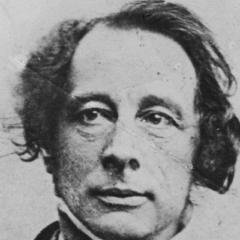
Charles Dickens, a British writer born on February 7, 1812, and died on June 9, 1870, is one of the greatest novelists of the 19th century. Known for his profound social criticism and vivid narrative style, Dickens' works extensively cover social reality, revealing various issues in the British society of the time. more
“Who you are in public is a test of your conviction; who you are in private, integrity.”
“And everyone lived happily, thought maybe not completely honestly, ever after. The End.”
“You look like shit." Honesty is important in any relationship.”