Quotessence
Home / Quotes / Quote by Alexander Pushkin

Quote by Alexander Pushkin

“So meanwhile, friends, enjoy your blessing: This fragile life that hurries so! Its worthlessness needs no professing, And I'm not loathe to let it go; I've closed my eyes to phantoms gleaming, Yet distant hopes within me dreaming Still stir my heart at times to flight: I'd grieve to quit this world's dim light And leave no trace, however slender. I live, I write - not seeking fame; And yet, I think, I'd wish to claim For my sad lot its share of splendour— At least one note to linger long, Recalling, like some friend, my song.”

Quote by Alexander Pushkin

Work

Eugene Onegin

Eugene Onegin is a narrative poem written by Alexander Pushkin, combining elements of romance and satire. The story revolves around the protagonist, Eugene Onegin, and his complex relationships with Tatyana and Olga. The novel is celebrated for its innovative narrative technique and its exploration of themes such as love, jealousy, and social status. more

Author

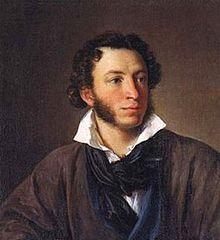
Alexander Pushkin
Alexander Pushkin

A great Russian poet and the founder of modern Russian literature. Born on June 6, 1799, and died on February 10, 1837. His poetry, novels, and plays have had a profound impact on Russian literature. more

You May Also Like

“I stand on the banks of time silently witnessing the world change beneath my feet. I arrive at a desirable place in a world when I learn to accept a world devoid of my paltry existence. When my self-inflicted wounds heal, I will stand as mute as a mountain impervious to the whimsy of the quaking world and no longer be deluded into aspiring to be a member of a fantasy world of pleasure-seeking people. Fame and fortune do not matter to an enlightened person, it is sufficient simply to be present and unflinchingly support all life forms without hesitation.”

“If love at first sight were mutual, or to be conciliated by kind offices; if the fondest affection were not so often repaid and chilled by indifference and scorn; if so many lovers both before and since the madman in Don Quixote had not ‘worshipped a statue, hunted the wind, cried aloud to the desert’; if friendship were lasting; if merit were renown, and renown were health, riches, and long life; or if the homage of the world were paid to conscious worth and the true aspirations after excellence, instead of its gaudy signs and outward trappings, then indeed I might be of opinion that it is better to live to others than one’s self; but as the case stands, I incline to the negative side of the question.”