“In the entire vista of Malay literature—including even the Indonesian literatures—he was unique. None rivalled him in originality and poetic genius; in Malay Sufi literature none excelled the clarity and flowing simplicity of his prose which, nevertheless, reveals profound metaphysical insight in the Sufi doctrines; none exceeded him in poetry, whether it be in terms of literary output or in terms of intellectual content. He was, as I have earlier shown, the first man to set forth in systematic writing the essential aspects of the Şufi doctrines in Malay, and he not only impressed his influence upon certain historiographically important literary usages in Malay literature, but introduced as well new technical terminologies and concepts into the Malay language in general, and into Malay Sufi literature in particular, having do with theology, metaphysics and philosophy.”
Quote by Syed Muhammad Naquib al-Attas
Work
The Origin of the Malay Sha'ir
Browse quotes and source details for this work. more
Author
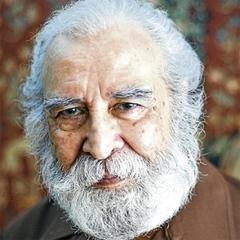
Syed Muhammad Naquib al-Attas
Syed Muhammad Naquib al-Attas, born on September 5, 1931, is a prominent Islamic philosopher, author, and scholar from Malaysia. His works cover a wide range of fields, including Islamic philosophy, religious thought, and cultural studies, and have had a profound impact on scholars worldwide. more
You May Also Like
“When it’s quiet, I can hear the voices of those who took comfort under my skin when I could not.”
Source: Mary Stuart
Source: Marie Stuart
Source: Mary Stuart
Source: Get Out of Here Alive: Inner Alchemy & Immortality
Source: Volkhavaar
Source: This Shadow Follows Me
“Sometimes the world around you makes you do things you would never do out of the circumstances”
Source: SG - Suicide Game
Source: SG - Suicide Game