“In the economy of the body, the limbic highway takes precedence over the neural pathways. We were designed and built to feel, and there is no thought, no state of mind, that is not also a feeling state. Nobody can feel too much, though many of us work very hard at feeling too little. Feeling is frightening. Well, I find it so.”
Quote by Jeanette Winterson
Work
Why Be Happy When You Could Be Normal?
This memoir delves into the author's experiences with her family, particularly her mother, and the impact these relationships had on her own sense of self and happiness. more
Author
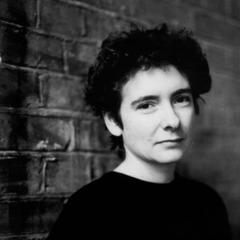
Jeanette Winterson
Jeanette Winterson is a renowned British author known for her distinctive literary style and profound social commentary. Her works span a wide range of themes, including novels, essays, and poetry. Winterson's novel 'Oranges Are Not the Only Fruit' is a story about growth, faith, and sexuality that has received widespread acclaim. more
You May Also Like
“Kucheza muziki si lazima utingishe mwili kama mwendawazimu. Unaweza kucheza kwa hisia.”
“har baat kahte ho juban se mujhe tum... Kabhi apna haal bejuban bhi to bata dil..”
“No one feels your empty stomach, but everyone does your empty brain.”
Source: Evening's Empires
Source: Bittersweet
Source: NORTH TO THE ORIENT
“I wish I could take it all back, but I can’t. And I definitely can’t un-feel a feeling.”
Source: The Jelly Bean Crisis
Source: Special Forces