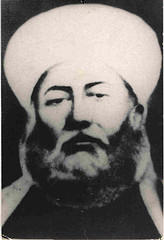
Al-Shafi‘i
Al-Shafi‘i (767-820 AD) was an influential Islamic jurist, theologian, and philosopher, known as the founder of the Shafi'i school of Islamic jurisprudence. His works and ideas have had a profound impact on the development of Islamic law.
Al-Shafi‘i (767-820 AD) was an influential Islamic jurist, theologian, and philosopher, known as the founder of the Shafi'i school of Islamic jurisprudence. His works and ideas have had a profound impact on the development of Islamic law.
Ali ibn Abi Talib, born on March 17, 599 AD and died on January 27, 661 AD, was a prominent companion and successor to the Prophet Muhammad, serving as the second Caliph of the Rashidun Caliphate. He held a significant position in Islamic history and was revered as 'the True Servant of God'. Ali made remarkable contributions in politics, military, and religion, which had a profound impact on the development of Islam.
Abd al-Ghani al-Nabulsi is an individual of an unknown profession/category who was active during the 17th to 18th centuries. Born in March 1641 and died on March 5, 1731, specific details about his life and achievements are limited.

Rabia Basri was a historical figure who lived from 713 to 801. The specific profession or category of Rabia Basri is unknown. Limited information suggests she may have been a scholar or religious leader.
Limited information is available about Nuh Ha Mim Keller, born in 1954. His identity and career are unknown, and his life experiences and contributions are not well-documented.

Al-Ghazali (1058-December 19, 1111) was an influential Islamic theologian and philosopher. His works had a profound impact on medieval Islamic philosophy and theology.
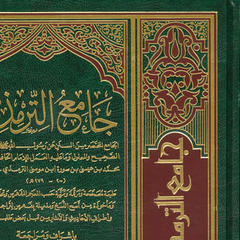
Muhammad ibn Isa at-Tirmidhi, an Islamic scholar, was born in 824 and died in 892. He is renowned as a leading jurist in Islamic law, known for his rigorous academic approach and extensive writings.
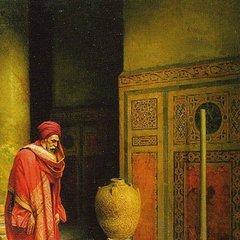
Malik ibn Anas, born in 711 and died in 795, was a prominent Islamic legal scholar. His life and academic achievements have had a profound impact on history.
Ahmad ibn Ajiba, a figure who lived from 1747 to 1809, his specific occupation and category are unknown. His life and achievements are not well-documented.

Abdul-Qadir Gilani, a figure with limited information available, lived from 1077 to 1166. His identity and profession are unclear, but he held a significant position and influence in the Islamic world.