
Abdullah ibn Alawi al-Haddad
Abdullah ibn Alawi al-Haddad (1634-1720) was a renowned Sufi mystic and Islamic scholar whose life and thoughts have had a profound impact on posterity.

Abdullah ibn Alawi al-Haddad (1634-1720) was a renowned Sufi mystic and Islamic scholar whose life and thoughts have had a profound impact on posterity.

Jane Wells, born on March 31, 1961, is a seasoned journalist with extensive experience in the news industry. She is known for her sharp observations and in-depth investigations, having reported on numerous major news events.
Abu Dawood, born in 817 and died in 889, was a historical figure whose profession and category remain unclear.
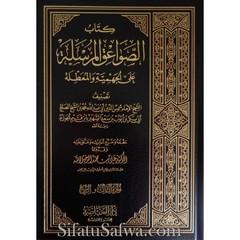
Ibn Qayyim Al-Jawziyya was a distinguished medieval Islamic scholar, jurist, and theologian. Born on January 28, 1292, and deceased on September 15, 1350, he made substantial contributions to various fields of Islamic knowledge. His works on fiqh, hadith, and tasawwuf have had a lasting impact on Islamic thought and practice.

Sufyan al-Thawri, born in 716 and died in 778, was a historical figure whose profession and category are currently unknown. He held an important position in Islamic jurisprudence.
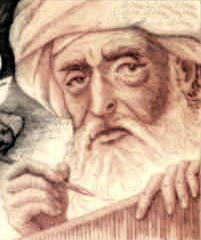
Ibn Hazm, born on November 7, 994 and died on August 15, 1064, was an Arab journalist whose life and works had a profound impact on posterity.

Merve Kavakc? is a notable politician recognized for her active role in the political arena. Born in August 1968, she has made substantial contributions to her nation's political landscape.
Malik ibn Anas, born in 711 and died in 795, was a prominent Islamic legal scholar. His life and academic achievements have had a profound impact on history.
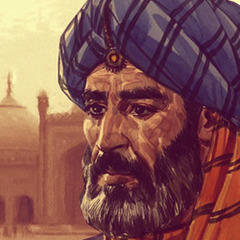
Ibn Taymiyyah was a renowned philosopher and Islamic scholar who lived from January 22, 1263, to September 26, 1328. He made significant contributions to Islamic jurisprudence, theology, and philosophy, and his works have had a profound impact on Islamic thought and practice.
Muhammad al-Baqir (676-743) was an important Imam in the Shia branch of Islam. Known as the 'Father of Jurisprudence,' he made profound contributions to the fields of religious law, theology, and philosophy. His teachings and writings had a significant impact on the development of Shia jurisprudence.