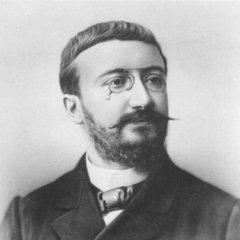
“Mere numbers cannot bring out ... the intimate essence of the experiment. This conviction comes naturally when one watches a subject at work. ... What things can happen! What reflections, what remarks, what feelings, or, on the other hand, what blind automatism, what absence of ideas! ... The experimenter judges what may be going on in [the subject's] mind, and certainly feels difficulty in expressing all the oscillations of a thought in a simple, brutal number, which can have only a deceptive precision. How, in fact, could it sum up what would need several pages of description!” NeedsFeelsMindMayIdeasFactsFeelingsHandsHappensScienceSimpleNumbersWatchesSubjectsJudgingPagesReflectionEssenceDifficultyBlindMereConvictionAbsenceExperimentsIntimateDescriptionBrutalRemarksPrecisionDeceptiveOscillation Author:Alfred Binet
“A person may be a moron or an imbecile if he is lacking in judgment; but with good judgment he can never be either. Indeed the rest of the intellectual faculties seem of little importance in comparison with judgment.” IfsMayLittlesPersonsSeemsJudgmentIntellectualImportanceComparisonFacultyLackingMoronImbecilesGood Judgment Book:Significant contributions to the history of psychology: 1750-1920 Source: Significant contributions to the history of psychology: 1750-1920
“It seems to us that in intelligence there is a fundamental faculty, the alteration or the lack of which, is of the utmost importance for practical life. This faculty is judgment, otherwise called good sense, practical sense, initiative, the faculty of adapting one's self to circumstances. A person may be a moron or an imbecile if he is lacking in judgment; but with good judgment he can never be either. Indeed the rest of the intellectual faculties seem of little importance in comparison with judgment.” IfsMayLittlesPersonsSelfSeemsCircumstancesJudgmentIntellectualImportanceFundamentalsPracticalsComparisonFacultyInitiativeLackingGood SenseMoronAdaptingAlterationsImbecilesGood JudgmentPractical Life Author:Alfred Binet