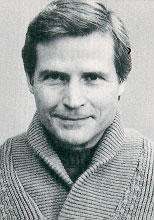
Philip Appleman
Philip Appleman, born on February 8, 1926, is a renowned American poet. His poetry is known for its unique style and profound themes, which have won him a wide audience.
Philip Appleman, born on February 8, 1926, is a renowned American poet. His poetry is known for its unique style and profound themes, which have won him a wide audience.
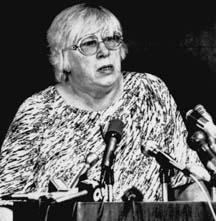
Madalyn Murray O'Hair was an American activist and lawyer, known for her pivotal role in the Supreme Court case Murray v. Curlett (1963), which resulted in the elimination of Bible reading and prayer from public schools. She founded American Atheists and was a significant figure in the secular movement in the United States.
Limited information is available about Trevor Treharne, whose identity and profession remain unclear.
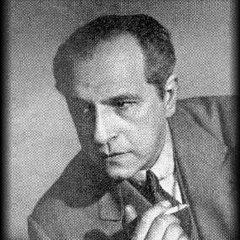
Joseph Dunninger, born on April 28, 1892, was a renowned television actor from the United States. He held a significant position in the American television industry in the mid-20th century and was beloved by audiences for his unique performance style and humor.
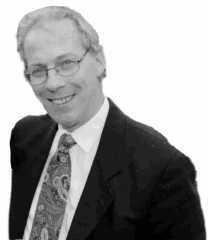
Limited information is available about Jim Herrick, born in 1944. His profession is unknown, and his life story and contributions have not been well-documented.
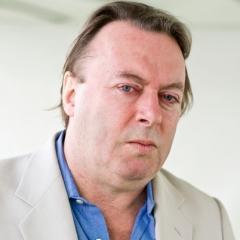
Christopher Hitchens was an English-American author, journalist, and social critic. He was known for his sharp wit and controversial views, particularly on religion and politics. Hitchens was a prominent figure in the public discourse of the late 20th and early 21st centuries.
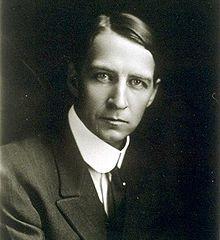
Herbert Eugene Bolton was an American historian renowned for his extensive research on the history of Mexico and the American Southwest. His studies covered the Spanish colonial period and the post-Mexican Revolution era, profoundly influencing the understanding of the region's history and culture.
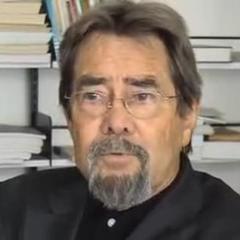
Marcel Leroux was a French author known for his unique literary style and profound philosophical insights. His works spanned across novels, poetry, and drama, and were well-received by readers.

Jacques Berlinerblau is an academic who specializes in the fields of religion, culture, and politics. Born on July 6, 1966, he has had a significant impact on the academic community.
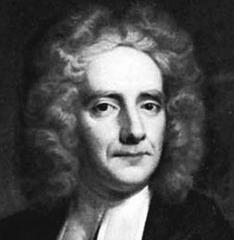
Samuel Clarke (October 11, 1675 – May 17, 1729) was an English philosopher, theologian, and mathematician. He is best known for his defense of Newtonian physics and his rational theology. Educated at Cambridge University, Clarke became a clergyman at St. James's Church. He engaged in a famous correspondence with Leibniz on space, time, free will, and theology. Clarke also translated Newton's Opticks into Latin and wrote several theological works emphasizing the harmony of reason and revelation. His ideas influenced both British empiricism and Continental rationalism.