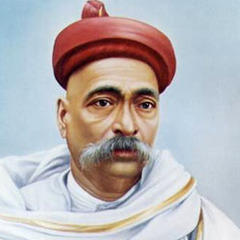
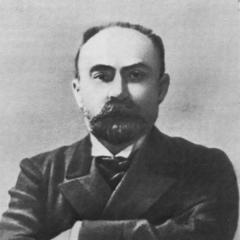
Bal Gangadhar Tilak was an Indian journalist, social reformer, and Indian nationalist. Born on July 23, 1856, in Ratnagiri, Maharashtra, India, he passed away on August 1, 1920. Tilak played a pivotal role in the Indian independence movement and the Swadeshi movement, advocating for Indian self-rule and promoting Indian goods over British products. Known as the 'Father of Indian Unrest', Tilak was a key figure in the struggle against British rule and is celebrated as a national hero in India.
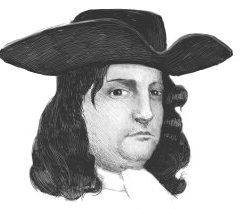
Granville Penn was a British author born on December 9, 1761, and died on September 28, 1844. Known for his contributions to British literature and philosophy, Penn's works spanned various fields, including history, politics, and religion.
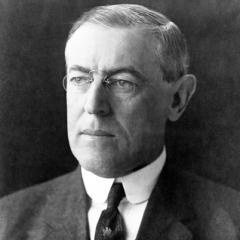
Woodrow Wilson was the 28th President of the United States, known for his foreign policy during World War I and his efforts at the Paris Peace Conference. He advocated for the New Freedom policy and had a deep academic background in history, politics, and economics.
James Croll (January 2, 1821 - December 15, 1890) was a Scottish scientist known for his contributions to climatology, geology, and astronomy. Croll is particularly renowned for his research on glacial action and his theories on the movement of glaciers and the changes in Earth's climate.
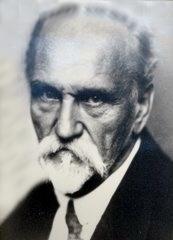
Rainis, born on September 11, 1865, and died on September 12, 1929, was a prominent Latvian poet. His works deeply reflected the history and culture of the Latvian nation and were hailed as one of the founders of Latvian literature.
Vasyl Sukhomlynsky was a distinguished educator from Ukraine, born on September 28, 1918, and died on September 2, 1970. He made significant contributions to the field of education, particularly in the development of pedagogical methods and theories.
William Norman Ewer was a prominent journalist active in the 20th century. His career spanned various fields, including newspaper writing, editing, and commentary.
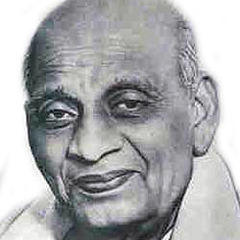
Vallabhbhai Patel, an Indian statesman, is hailed as one of the founding fathers of independent India. Born on October 31, 1875, and passing away on December 15, 1950, Patel played a crucial role in the Indian independence movement and was a prominent leader of the Indian National Congress. His political career was marked by his strong nationalist stance and efficient administrative skills.
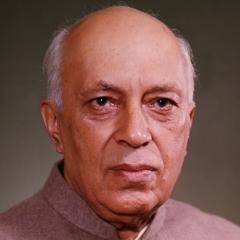
Jawaharlal Nehru served as the first Prime Minister of India from 1947 to 1964. A prominent leader in the Indian independence movement, he played a pivotal role in shaping the new nation's political and social landscape. Nehru was a philosopher, writer, and lawyer, and his vision for a secular, democratic, and modern India continues to influence the country's development.
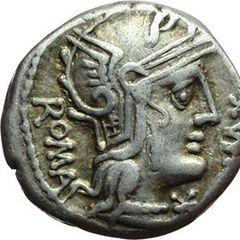
Fabius Maximus (280 BC - 203 BC) was a renowned Greek politician known for his prudent strategies and deep foresight. He served as a Roman consul during the Second Punic War, leading the Roman forces against Hannibal. His strategy of protracted warfare against Hannibal's invasion of Italy is considered a pivotal factor in Rome's eventual victory in the war.
Russian philosopher and Marxist theorist, one of the founders of the Russian Social Democratic Labor Party. He made significant contributions to the development of Marxist philosophy and is considered the founder of Russian Marxism.