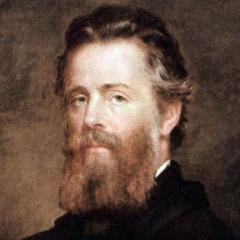
Herman Melville
Herman Melville was a renowned 19th-century American novelist known for his profound psychological descriptions and unique literary style. His masterpiece, 'Moby-Dick', is considered a classic of American literature.
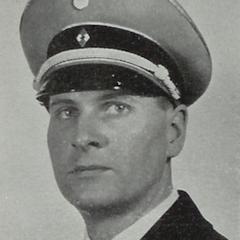
Herman Melville was a renowned 19th-century American novelist known for his profound psychological descriptions and unique literary style. His masterpiece, 'Moby-Dick', is considered a classic of American literature.
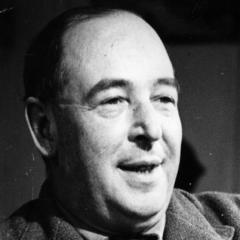
C. S. Lewis was a British novelist, academic, and Christian theologian. He is renowned for his fictional works, particularly The Chronicles of Narnia, a series of fantasy novels that have become a beloved classic of children's literature. Lewis also penned adult fiction, including the science fiction trilogy Out of the Silent Planet and the space trilogy. His non-fiction works, such as Mere Christianity and The Problem of Pain, have had a significant impact on Christian thought and spirituality.
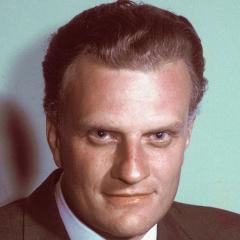
Billy Graham (born November 7, 1918) was a prominent American evangelist, widely regarded as one of the most influential Christian leaders of the 20th century. Graham, born in a farming family in North Carolina, developed a deep passion for religion from an early age. He began his ministry in 1939 and spent the following decades spreading the Christian Gospel through radio, television, books, and speaking engagements to hundreds of millions of people around the world.
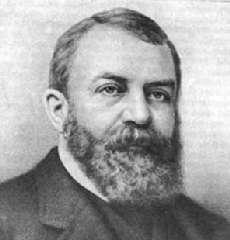
Dwight L. Moody was a prominent American evangelist, born on February 5, 1837, and died on December 22, 1899. He is known for his contributions to the spread of the Gospel and Christian education.
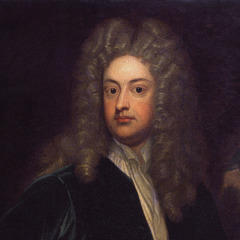
Joseph Addison, born on May 1, 1672, and died on June 17, 1719, was an influential English essayist, dramatist, and poet. He is known for his elegant prose style and his co-authorship of the magazine 'The Spectator' with Richard Steele.
Charles Caleb Colton was an English writer active from 1780 to 1832. Known for his humor and wit, he is particularly recognized for his aphorisms and satirical works.
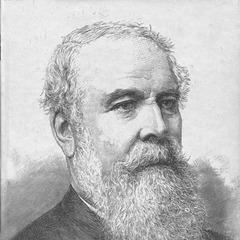
J. C. Ryle, the Bishop of Liverpool, was born on May 10, 1816, and died on June 10, 1900. He was a prominent religious leader in 19th-century England, known for his deep biblical scholarship and steadfast propagation of Christian faith.
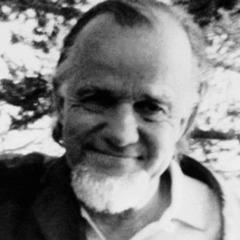
Francis Schaeffer (January 30, 1912 – May 15, 1984) was an American evangelical theologian, apologist, and writer, best known for founding L'Abri, a Christian community in Switzerland. Born in Pennsylvania, he initially embraced fundamentalism but later engaged with broader cultural issues. Schaeffer emphasized the integration of Christian worldview with philosophy, art, and society, critiquing modern secularism. His works, such as 'Escape from Reason' and 'The God Who Is There,' address spiritual crises of modern individuals. Through L'Abri, he influenced countless intellectuals and seekers. Schaeffer's legacy endures in evangelical cultural criticism and apologetics.
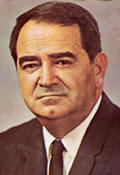
Forrest Carter was an American writer born on September 4, 1925, and passed away on June 7, 1979. Known for his works in frontier and Southern literature, his most notable novel is 'The Blood Meridian'.
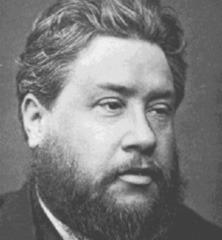
Charles Haddon Spurgeon, born on June 19, 1834, was a prominent Christian preacher from the United Kingdom. Known as the 'Preacher of London,' he was renowned for his passionate sermons and profound influence. Spurgeon's preaching drew thousands of listeners, and his writings had a widespread impact on the Christian world.