
John Carlos
John Carlos, born on June 5, 1945, is a renowned Olympic athlete. He gained fame for his protest against racial discrimination at the 1968 Mexico City Olympics, where he and Tommy Smith raised black gloves during the medal ceremony.

John Carlos, born on June 5, 1945, is a renowned Olympic athlete. He gained fame for his protest against racial discrimination at the 1968 Mexico City Olympics, where he and Tommy Smith raised black gloves during the medal ceremony.
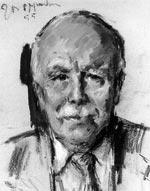
F. M. Powicke was a distinguished historian whose research focused on the political and social history of England during the Middle Ages, with a particular emphasis on the Angevin period. Born on June 16, 1879, and passing away on May 19, 1963, Powicke made significant contributions to the study of medieval history through his meticulous research and analytical approach to historical sources.
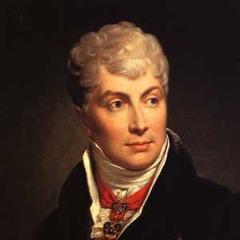
Klemens von Metternich, born on May 15, 1773, and died on June 11, 1859, was one of the most important European politicians of the early 19th century. He was known for his political influence in Austria and the Holy Roman Empire. Metternich played a crucial role during the Napoleonic Wars and the Congress of Vienna, significantly shaping the political landscape of Europe.
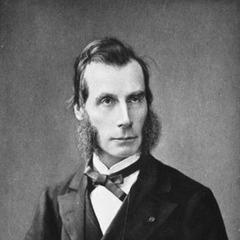
Numa Denis Fustel de Coulanges was a French historian and philosopher renowned for his studies on ancient Greece and Rome. His seminal work 'La Cité antique' delves into the origins of the ancient city-state, shaping the understanding of ancient societies.
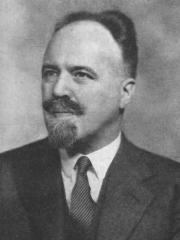
Pieter Geyl was a renowned Dutch historian known for his extensive research on the history of the Dutch Republic. His works delved into the political, economic, and social development of the Netherlands, profoundly influencing the study of Dutch history.
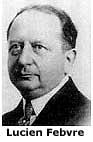
Lucien Febvre was a prominent French historian known for his in-depth research into the history of the Middle Ages and the Renaissance. His approach to history emphasized the comprehensive analysis of historical context and culture, which had a profound impact on later historians.
C.V. Wedgwood was an individual active in an unknown field during the 20th century. His life and achievements are not well-documented, but it is believed that he may have made contributions to the field.
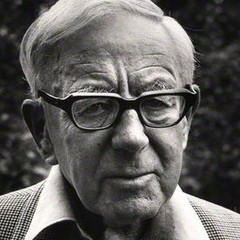
A. J. P. Taylor was a distinguished British historian celebrated for his incisive analysis of modern European history. His writings primarily centered on the political and diplomatic history of the 18th and 19th centuries, with a particular focus on the Napoleonic era and the two World Wars. Taylor's writing was marked by its wit and clarity, making intricate historical events understandable to a broad readership.
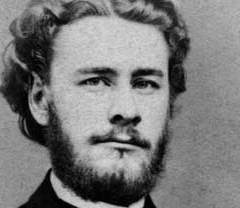
Charles Augustus Briggs (January 15, 1841 - June 8, 1913) was a versatile scholar known for his work as a historian, theologian, and linguist. His career was marked by significant contributions to the fields of biblical studies and linguistics, and he held teaching positions at several renowned institutions, including Columbia University and New York University. Briggs' influence on academia is still felt today, and he is considered one of the leading figures in American scholarship at the turn of the 19th and 20th centuries.

Waqar Azmi, born in 1970, is an individual whose profession and category are unknown. Details about him are limited.