Anatoli Granovsky
Anatoli Granovsky, born in 1922, is a renowned author whose works span a variety of themes, known for their profound thoughts and unique literary style.
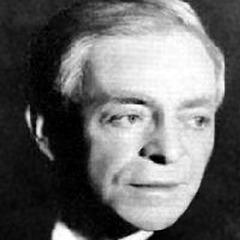
Anatoli Granovsky, born in 1922, is a renowned author whose works span a variety of themes, known for their profound thoughts and unique literary style.
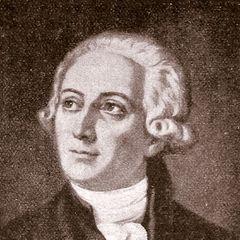
Antoine Lavoisier (August 26, 1743 – May 8, 1794) was a French chemist, widely regarded as the father of modern chemistry. He disproved the phlogiston theory through quantitative experiments, identified the role of oxygen in combustion, and named oxygen and hydrogen. Lavoisier also reformed chemical nomenclature, making chemical language systematic. His book 'Elements of Chemistry' laid the foundation of modern chemistry. However, during the French Revolution, he was executed by guillotine due to his former role as a tax collector.
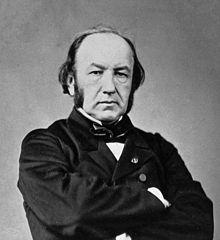
Claude Bernard was a French physiologist born on July 12, 1813, and died on February 10, 1878. He made significant contributions to the field of physiology, particularly in the study of the digestive system and the nervous system.
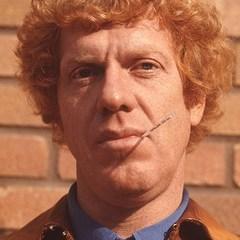
Tage Danielsson (February 5, 1928 – October 13, 1985) was a renowned Swedish author, poet, satirist, and comedian. He is best known for his comedy duo 'Hasse & Tage' with Hans Alfredson, creating classic Swedish comedy films, TV shows, and stage plays. His works are celebrated for their wit, humor, and sharp social commentary, leaving a lasting impact on Swedish culture.
August Kekule was a German chemist renowned for his contributions to organic chemistry. His most famous achievement was the proposal of the benzene ring structure, which had a profound impact on the development of chemical structural theory.
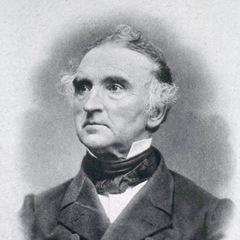
Justus von Liebig, a German chemist born on May 12, 1803, and died on April 18, 1873, is considered one of the founders of organic chemistry. He made significant contributions to the development of agricultural chemistry and food science.
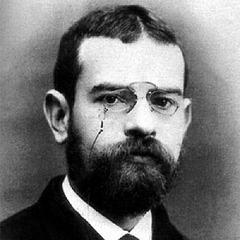
Leopoldo Alas, known by his pen name Clarín, was a prominent Spanish novelist in the 19th century. His works deeply revealed the realities of Spanish society and had a profound impact on literature thereafter.
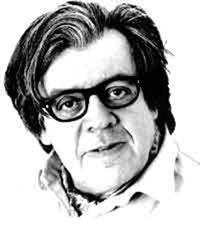
Erich Fried, born on May 6, 1921, was a renowned German poet. His poetry is known for its simplicity and depth, often expressing views on life, love, and war through humor and satire. Fried experienced exile during the Nazi regime, which profoundly influenced his creative work. His works are widely appreciated in Germany and around the world.
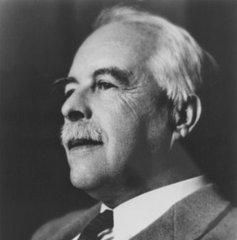
Gilbert N. Lewis was a renowned chemist known for his contributions to chemical bond theory. He proposed the Lewis acid-base theory and had a profound impact on chemical education.
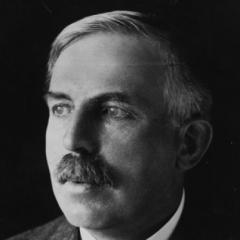
Ernest Rutherford, a British physicist, is renowned as the founder of nuclear physics. Born on August 30, 1871, in New Zealand, he passed away on October 19, 1937, in the United Kingdom. Rutherford made significant breakthroughs in the study of radioactivity, proposed the nuclear model of the atom, and discovered the proton.