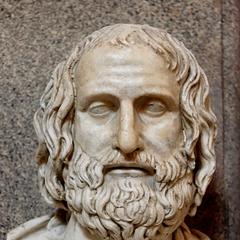
Euripides
Euripides, a renowned Greek tragic playwright, is one of the three great tragic poets of ancient Greece, alongside Aeschylus and Sophocles. His life and achievements are not well-documented.
Euripides, a renowned Greek tragic playwright, is one of the three great tragic poets of ancient Greece, alongside Aeschylus and Sophocles. His life and achievements are not well-documented.

American novelist and philosopher, known for her novels and philosophical ideas. Her works emphasize individualism, free markets, and rationalism, and have had a profound impact on politics and philosophy in the late 20th century.
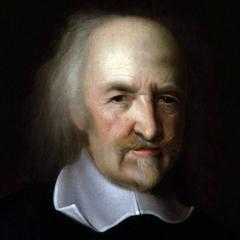
Thomas Hobbes, a British philosopher, politician, historian, economist, and writer, was born on April 5, 1588, in Wiltshire, and died on December 4, 1679, in Oxford, England. Hobbes is considered one of the most important philosophers of the 17th century, known for his profound analysis of the state, society, and human behavior.
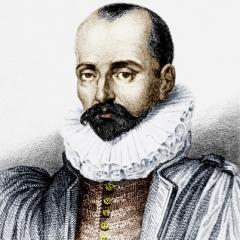
Michel de Montaigne was a French Renaissance philosopher, essayist, and writer. He is considered one of the most significant figures in the history of the essay. Montaigne's work, particularly his book 'Essays', has been influential in the development of modern prose.
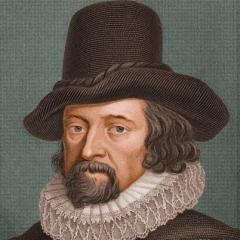
Francis Bacon, a renowned philosopher, politician, and writer, served as the Lord Chancellor of England. He is best known for his profound philosophical thoughts and extensive literary works, which have had a lasting impact on the world.
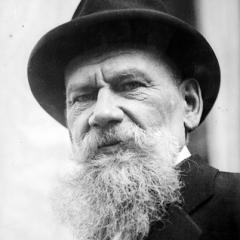
Leo Tolstoy was a Russian writer and thinker, a prominent representative of 19th-century Russian literature. His works deeply revealed social contradictions and human nature, and had a profound impact on the world.
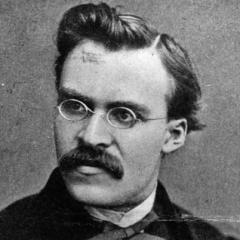
Friedrich Nietzsche was a German philosopher, cultural critic, poet, and writer whose works have had a profound impact on subsequent philosophy, literature, and thought. His ideas revolve around concepts such as the 'will to power', the 'Übermensch', and the 'eternal recurrence'.
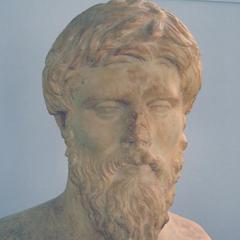
Plutarch, a renowned Greek historian and biographer, was born in 45 AD and died in 120 AD. His works are characterized by rigorous historical research and profound moral contemplation, having a profound impact on later generations.
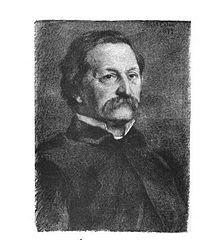
J. G. Holland was an American novelist renowned for his inspirational and Christian-themed works. Born on July 24, 1819, he crafted stories that offered hope and inspiration to readers. His novels often reflected his deep Christian faith and his belief in the power of the human spirit. Holland passed away on October 12, 1881, leaving behind a legacy of influential literature.
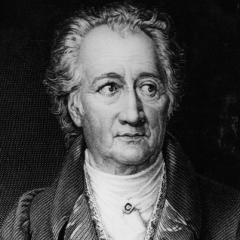
Johann Wolfgang von Goethe, born on August 28, 1749, and died on March 22, 1832, was a prominent German writer, thinker, and scientist. He is one of the greatest writers in German literary history and his works have had a profound impact on the world. His most famous works include 'Faust' and 'The Sorrows of Young Werther'.