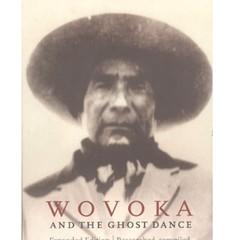
Wovoka
Wovoka, born in 1856 in Nevada, USA, was a mysterious figure. His life story and contributions are not well-documented.
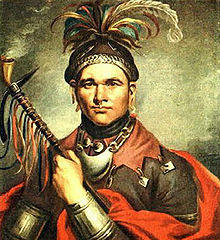
Wovoka, born in 1856 in Nevada, USA, was a mysterious figure. His life story and contributions are not well-documented.
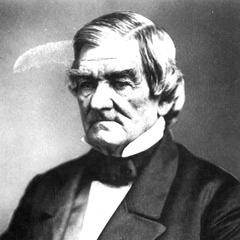
John Ross, born on October 3, 1790, and died on August 1, 1866, was an outstanding chief. He had a profound influence in his role, demonstrating exceptional leadership skills throughout his life. His achievements and contributions were significant, laying a solid foundation for the development of the organization or industry he served. He was widely recognized and remembered for his impact.
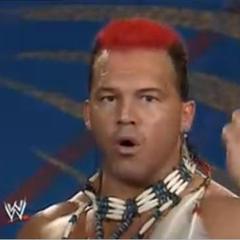
Tatanka (born Christopher Chavis on June 8, 1961) is a Native American professional wrestler of Lumbee heritage. He rose to prominence in the early 1990s as one of WWF's first officially signed Native American wrestlers. His character portrayed a proud tribal warrior, representing Native American dignity and strength. Tatanka became known for his distinctive entrance music featuring tribal drum rhythms, traditional war dances, and face paint depicting tribal symbols. During his WWF tenure, he competed against several notable wrestlers. Although his time with WWF was relatively brief, he paved the way for future Native American wrestlers and left a lasting impact on professional wrestling's representation of indigenous athletes.
Chief Blackfish, a mysterious figure who lived from 1729 to 1779. His identity and profession remain unknown to this day, but his position in history has sparked widespread interest.
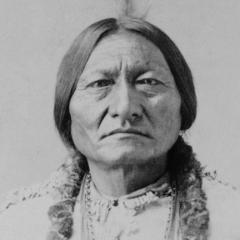
Sitting Bull, whose real name was Tatanka Iyotake, was a renowned American Indian tribal chief. Born in 1831, he was a member of the Hunkpapa Lakota tribe. Known for his pivotal role in the resistance against American colonizers, especially in the Battle of Little Bighorn, Sitting Bull was a symbol of the Lakota people's struggle for independence and dignity. His leadership and military strategies earned him great respect among the Lakota people.
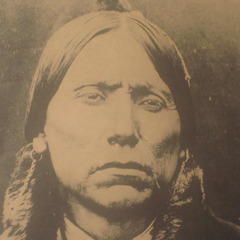
Quanah Parker, born in 1845 in Texas, was an outstanding Native American leader. He played a significant role in the Native American resistance movement in Texas in the late 19th and early 20th centuries. Parker is known for his exceptional leadership and contributions to Native American culture.
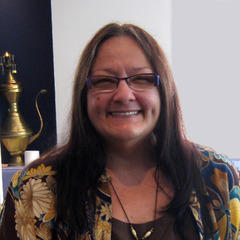
Suzan Shown Harjo is an accomplished American poet born on June 2, 1945. Her work focuses on the history, culture, and identity of Native Americans in the United States, resonating with readers worldwide.
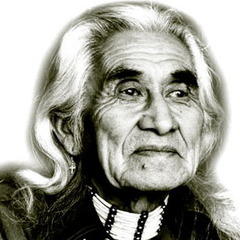
Chief Dan George, born Daniel George, was a Canadian Indigenous author, actor, and activist. He was born on July 24, 1899, and passed away on September 23, 1981. George is renowned for his contributions to literature and film, particularly for his profound insights and advocacy for Indigenous culture.
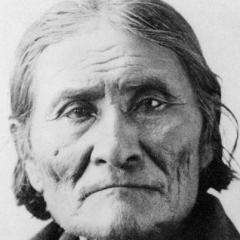
Geronimo was a prominent Apache tribal chief known for his leadership and resistance against the United States government's efforts to remove his people from their ancestral lands. Born on June 16, 1829, Geronimo lived a life marked by conflict and survival. He was a skilled warrior and a symbol of Apache resilience and independence. Geronimo's story is one of bravery, cunning, and the struggle for cultural preservation.
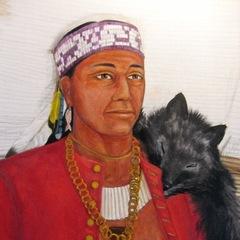
Massasoit, a figure from 1580 to 1662, whose identity and role are unclear. Limited information is available regarding his life, achievements, and historical impact.