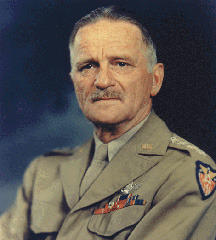
Carl Andrew Spaatz
Carl Andrew Spaatz, born on June 28, 1891, and died on July 14, 1974, was an American military leader known for his contributions to the aviation field.
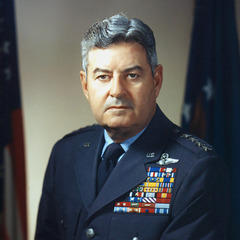
Carl Andrew Spaatz, born on June 28, 1891, and died on July 14, 1974, was an American military leader known for his contributions to the aviation field.
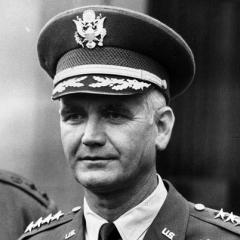
William Westmoreland, a renowned American military commander, was born on March 26, 1914, and passed away on July 18, 2005. He served as the commander of U.S. forces in the Vietnam War, and is known for his role in the conflict.
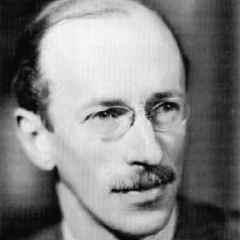
B.H. Liddell Hart was a British military theorist known for his profound understanding of strategy and tactics, whose works have had a profound impact on modern military thought.
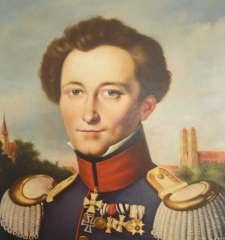
Carl von Clausewitz, born on July 1, 1780, and died on November 16, 1831, was a Prussian military theorist and historian. He is considered one of the founders of modern military theory. Clausewitz's most famous work, 'On War,' has had a profound impact on military strategy and warfare theory to this day.
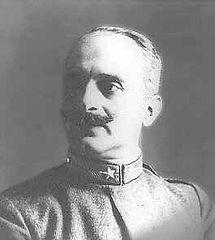
Giulio Douhet was an Italian military theorist and writer, born on May 30, 1869, and died on February 15, 1930. His main contribution lies in the development of aviation strategic and tactical theories.
Publius Flavius Vegetius Renatus is an ancient Roman writer, the details of his life and achievements are not well-documented.
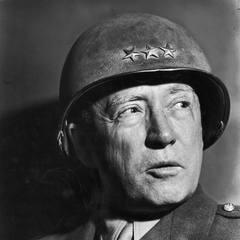
George S. Patton was an American military commander born on November 11, 1885, and died on December 21, 1945. Known for his unique leadership style and tactical prowess, Patton is one of the most controversial military figures in American history.
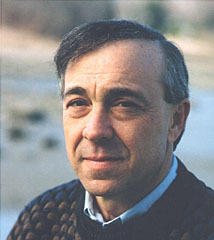
Philip Caputo is an American author born on June 10, 1941. His works focus on themes of war, politics, and human nature, and have been well-received by readers.
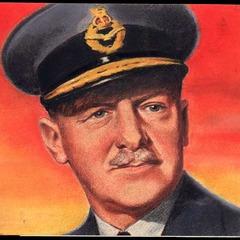
Sir Arthur Harris, 1st Baronet, was a British Air Marshal who served as the Commander-in-Chief of the Royal Air Force during World War II. Known for his strict tactics and strategies, particularly during the bombing raids on Germany, Harris was a controversial figure during and after the war. His actions, while effective in terms of strategic bombing, were also criticized for targeting civilian populations, leading to debates about the ethics of warfare and military operations.
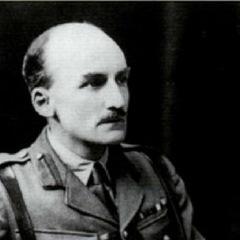
J. F. C. Fuller was a renowned British historian known for his contributions to military history and strategic theory. His works delved deeply into the nature of war and the development of military theory, having a profound impact on later generations.