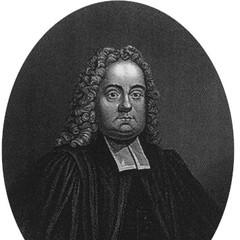
Matthew Henry
Matthew Henry was an English author, born on October 18, 1662, and died on June 22, 1714. He is best known for his commentary on the Bible, which has had a profound impact on Christian theology and religious studies.
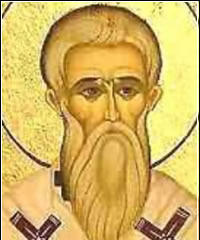
Matthew Henry was an English author, born on October 18, 1662, and died on June 22, 1714. He is best known for his commentary on the Bible, which has had a profound impact on Christian theology and religious studies.
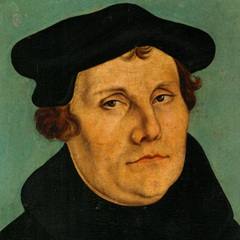
Martin Luther, born on November 10, 1483 and died on February 18, 1546, was a significant figure in the German Reformation. He was a monk, theologian, philosopher, and writer, known for his leading role in the Reformation. Luther challenged the authority of the Roman Catholic Church and translated the Bible into German, which had a profound impact on German culture and religion.
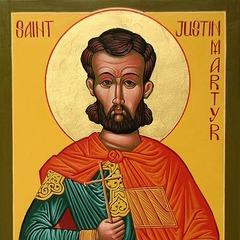
Justin Martyr (100-165 AD) was an ancient Christian philosopher and theologian whose life and writings had a significant impact on the development of Christian doctrine.
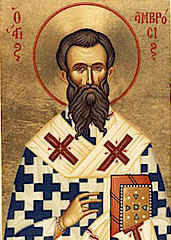
St. Ambrose, born in 337 and died on April 4, 397, was a significant figure in ancient Christianity, revered as a saint. During his tenure as the bishop of Milan, he was known for his exceptional preaching and theological contributions. Ambrose, who had a background in rhetoric and philosophy, had a profound impact on political, philosophical, and theological domains. His teachings and writings continue to be influential in the study of Christian doctrine and theology.
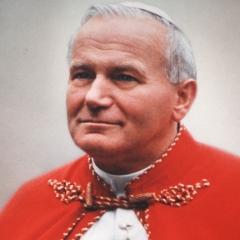
Pope John Paul II, born on May 18, 1920, and died on April 2, 2005, was the 266th Pope of the Roman Catholic Church and one of the longest-reigning popes in history. During his papacy from 1978 to 2005, he was dedicated to promoting world peace and unity, advancing church reform, and visiting numerous countries and regions.
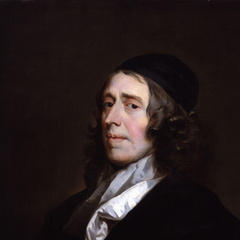
John Owen (1616-1683) was a prominent English theologian, writer, and pastor. His works have had a profound impact on Christian theology, particularly in the areas of predestination and moral theology.
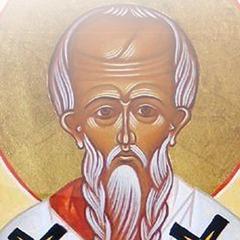
St. Irenaeus of Lyons (130-202 AD) was an early Christian theologian and writer, considered a significant figure in the development of Catholic and Orthodox theology. His main contribution was in the systematic exposition of Christian doctrine, particularly in the struggle against various heresies. Born in Asia Minor, he later became the bishop of Lyons.
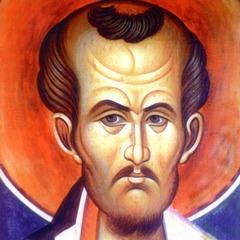
Saint John Chrysostom (c. 347 – September 14, 407) was an early Church Father and Archbishop of Constantinople, renowned for his eloquent preaching and oratory, earning the epithet 'Chrysostom' meaning 'golden-mouthed.' Born in Antioch, he received a classical education and later became a hermit. His sermons emphasized moral reform, social justice, and biblical exegesis, often criticizing luxury and corruption. His conflicts with the imperial court and clergy led to multiple exiles, and he died during a forced march. His extensive writings, including homilies, commentaries, and letters, profoundly influenced Eastern Christianity. He is venerated as a saint and Doctor of the Church in Eastern Orthodoxy, Catholicism, and other traditions.
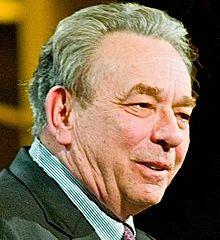
R.C. Sproul is a renowned Christian theologian, author, and lecturer. Born on February 13, 1939, he is known for his extensive research and widespread dissemination of Christian doctrine and theology. Sproul's works cover a range of topics from basic theology to more advanced theological subjects, and his writings have had a profound impact on many Christians.
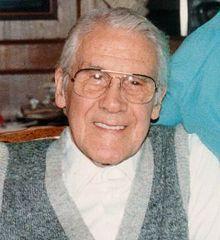
Leonard Ravenhill (1907-1994) was a prominent Christian author and evangelist whose work profoundly impacted the Christian community, particularly in the areas of spirituality and the revival movement. Known for his profound insights into the church and faith, Ravenhill's writings and sermons inspired countless believers.