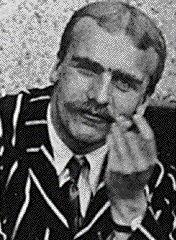
John B. S. Haldane
John B. S. Haldane was an outstanding biologist known for his contributions to genetics, evolutionary theory, and biochemistry. His research had a profound impact on the development of modern biology.
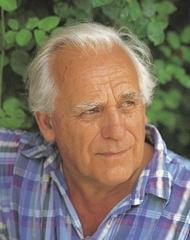
John B. S. Haldane was an outstanding biologist known for his contributions to genetics, evolutionary theory, and biochemistry. His research had a profound impact on the development of modern biology.
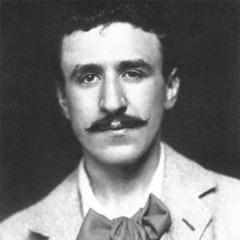
Charles Rennie Mackintosh (June 7, 1868 – December 10, 1928) was a Scottish architect, designer, and painter, celebrated as a pioneer of modern architecture and design. He is best known for developing the Glasgow Style, which blended Scottish traditional elements with the flowing lines of Art Nouveau. His works include architecture, furniture, interior design, and decorative arts, with masterpieces such as the Glasgow School of Art, Willow Tea Rooms, and Hill House. Mackintosh emphasized simplicity, geometry, and functionality, influencing 20th-century modernism. Though not widely recognized during his lifetime, he is now regarded as a bridge between the Arts and Crafts Movement and Art Nouveau.
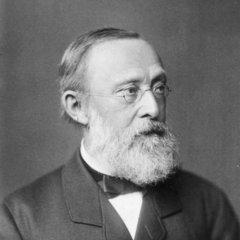
German physician and one of the founders of cellular pathology, known as one of the greatest scientists in the history of medicine. He proposed the basic principles of cellular pathology, which had a profound impact on the development of modern medicine.
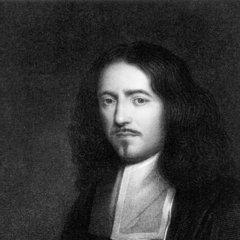
Marcello Malpighi was an Italian physician and scientist, renowned for his substantial contributions to anatomy and histology. Often hailed as the father of microscopic anatomy, he made numerous discoveries using the newly invented microscope. Malpighi's work laid the groundwork for modern histology, and his detailed studies of the body's structures and functions have had a lasting impact on medical science.
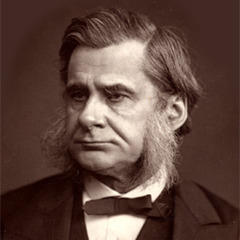
Thomas Huxley, a British biologist, was a staunch supporter of Darwin's theory of evolution. Renowned for his research in comparative anatomy, embryology, paleontology, and philosophy, Huxley made significant contributions to the field of biology. He had a profound influence on science, not only through his support of Darwin's theory of evolution but also through his role as a science popularizer and advocate for science education.
George Iles (1852-1942) was a renowned author from the United Kingdom. His works spanned a variety of fields, including history, literature, and philosophy. Iles was known for his in-depth research and attention to detail, and his works have had a profound impact on posterity.
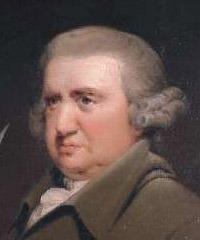
Erasmus Darwin was an English physician, poet, and scientist, known for his contributions to the field of medicine and his work in evolutionary theory. He was the grandfather of Charles Darwin, the famous naturalist.
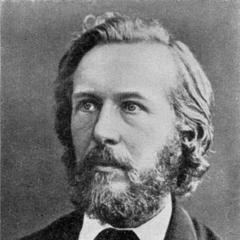
German philosopher, biologist, artist, born on February 16, 1834, and died on August 9, 1919. Ernst Haeckel is renowned for his contributions to the fields of evolution, morphology, cytology, and the philosophy of natural sciences.
Piet Oudolf is a renowned landscape architect, born on October 27, 1944. His designs are known for their simplicity, naturalness, and sustainability, having a profound impact on modern landscape architecture.
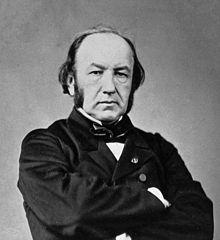
Claude Bernard was a French physiologist born on July 12, 1813, and died on February 10, 1878. He made significant contributions to the field of physiology, particularly in the study of the digestive system and the nervous system.