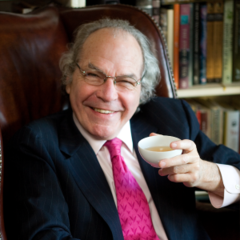
James Norwood Pratt
James Norwood Pratt is a renowned author known for his focus on culinary culture, particularly the history and appreciation of tea and coffee.

James Norwood Pratt is a renowned author known for his focus on culinary culture, particularly the history and appreciation of tea and coffee.
Arthur Gray, born on September 4, 1917 and passed away on August 25, 1991, was a renowned rugby player. He achieved remarkable success in the sport of rugby, known for his exceptional skills and leadership on the field.
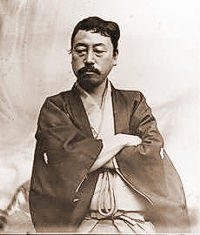
Okakura Kakuzo, born on February 14, 1862, was a prominent Japanese art critic, writer, and translator. He is renowned for his profound understanding and extensive promotion of Japanese art. Okakura's major works include 'The Book of Tea' and 'The Art of the East', which have had a profound impact on the world's understanding of Eastern culture.
Alice Taylor, whose profession and category are unknown, and whose birth and death dates are not specified.
Lu Tong was a renowned Tang Dynasty poet, born in 790 and died in 835. His poetry is characterized by its exuberant and unrestrained style, especially in depicting landscapes and rural life. Lu Tong's works hold a significant place in the history of Tang Dynasty literature and have had a profound influence on later poets.
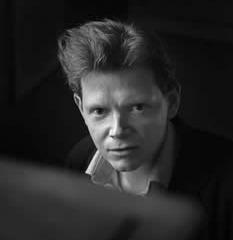
Edward Carey, born in 1970, is a talented playwright known for his unique style and profound themes. His works have won the appreciation of both audiences and critics.
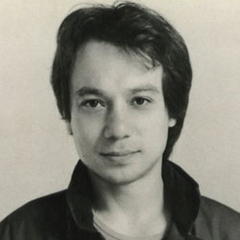
Timothy Mo, born on December 30, 1950, is a British Chinese novelist. His works, characterized by their unique perspective and profound insight, explore cultural conflicts, identity, and the relationship between individuals and society.
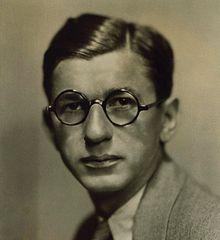
Irving Caesar was a renowned American lyricist, born on July 4, 1895, and passed away on December 18, 1996. He is best known for his extensive songwriting contributions, which have left a lasting impact on popular music.
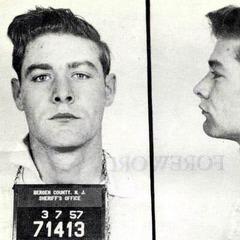
Edgar Smith, born in 1934, is an outstanding individual whose profession and category remain unclear.
Sen no Rikyū (1522 – April 21, 1591) was a Japanese tea master during the Sengoku and Azuchi-Momoyama periods, revered as the 'Tea Saint.' Born in Sakai to a merchant family, he studied tea ceremony under Takeno Jōō and developed the wabi-cha style, emphasizing simplicity, naturalness, and introspection. Rikyū served Oda Nobunaga and Toyotomi Hideyoshi as a tea advisor, profoundly influencing Japanese tea culture. He designed tea rooms like Tai-an and tea utensils such as Raku bowls, embodying wabi-sabi aesthetics. His conflict with Hideyoshi led to his forced seppuku, but his legacy endures in tea traditions.