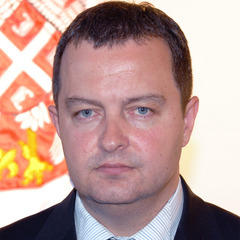
Ivica Dacic
Ivica Dacic is a distinguished Serbian politician who served as the Prime Minister of Serbia. Born on January 1, 1966, he has been a significant figure in Serbian politics for many years.
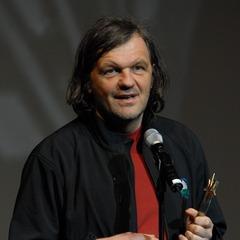
Ivica Dacic is a distinguished Serbian politician who served as the Prime Minister of Serbia. Born on January 1, 1966, he has been a significant figure in Serbian politics for many years.
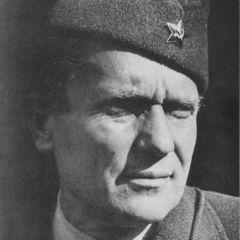
Josip Broz Tito, born on May 7, 1892, and died on May 4, 1980, was the first President of the Socialist Federal Republic of Yugoslavia. He led the Yugoslav resistance movement during World War II and became a national hero and political leader. Tito's leadership and policies promoted Yugoslavia's independence and national equality, transforming it into a relatively autonomous state within the Eastern European socialist camp. He implemented multi-party cooperation and political pluralism, fostering economic development and cultural prosperity in Yugoslavia.
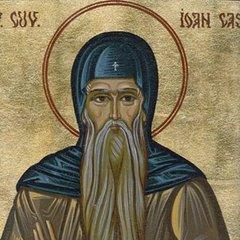
John Cassian (360-435 AD) was a prominent figure in early Christian history, known for his contributions to monasticism and theological thought. He spent his life primarily in Egypt, where he founded one of the first monasteries and became its abbot. Cassian is renowned for his deep understanding of monastic life and his influential writings on Christian doctrine.
Jose Antonio Camacho, born on June 8, 1955, is a renowned footballer known for his exceptional skills and tactical acumen. He has had a distinguished career, playing for several prominent clubs and representing the Spanish national team.
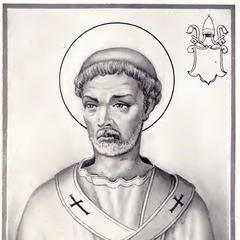
Pope Dionysius, the Bishop of Rome, died on December 26, 268. He was an important figure in the early Christian Church, having a profound impact on the organization and development of the Church.
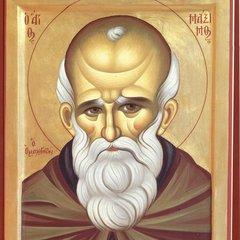
Maximus the Confessor, who lived from 580 to August 13, 662, was a mysterious religious philosopher and theologian. His life and achievements are not well-documented in historical records, but his thoughts have had a profound impact on Christian philosophy.
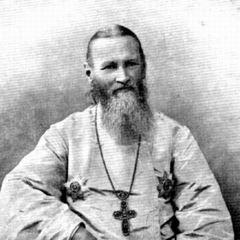
John of Kronstadt (1829-1908) was a Russian saint known for his piety and miracles. Born on October 19, 1829, he passed away on December 20, 1908.
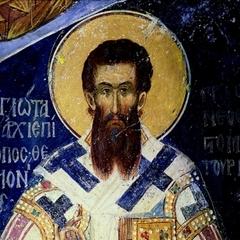
St. Gregory Palamas (1296-1359) was an influential Orthodox theologian and philosopher. He is known for his doctrine of the Uncreated Light, which had a profound impact on the development of Orthodox theology.
St. Arsenius the Great, active from around 350 to 450 AD, is renowned for his strict asceticism and dedication to poverty. He is considered a model of desert monks and had a profound impact on the monastic movement. St. Arsenius founded several monasteries in the desert, which became centers of the later monastic movement.
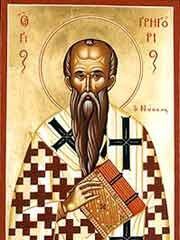
Gregory of Nazianzus (330-390 AD) was an influential Christian saint, theologian, and poet. He is renowned for his contributions to the doctrine of the Trinity within Christian theology. Born in Nazianzus, Asia Minor, he was the brother of Basil of Caesarea, another prominent theologian. His writings and sermons are still widely referenced in the Christian church today.