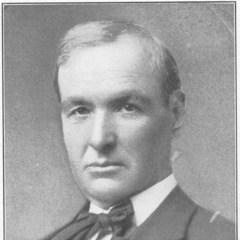
E. W. Howe
E.W. Howe, born on May 3, 1853, in London, Ontario, Canada, was a renowned novelist. His works primarily reflect the changes in Canadian society and culture, enjoying great popularity among readers.
E.W. Howe, born on May 3, 1853, in London, Ontario, Canada, was a renowned novelist. His works primarily reflect the changes in Canadian society and culture, enjoying great popularity among readers.

David Williamson, born on February 24, 1942, is a renowned Australian playwright known for his profound social insights and critical portrayal of Australian social reality.
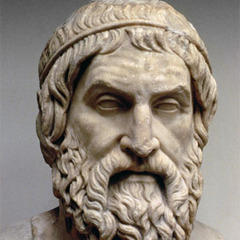
Sophocles, born in 498 BC and died in 406 BC, was a renowned Greek tragic playwright. He is one of the three greatest tragic poets of ancient Greece, alongside Aeschylus and Euripides. Sophocles' works profoundly revealed the complexity of human nature and social contradictions, exerting a profound influence on subsequent drama.
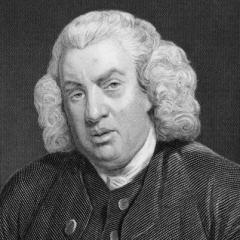
Samuel Johnson was an English writer, poet, and lexicographer, renowned for his comprehensive English dictionary, 'A Dictionary of the English Language', published in 1755. His distinctive writing style and wit have cemented his place as a significant figure in the history of English literature.
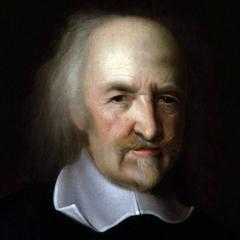
Thomas Hobbes, a British philosopher, politician, historian, economist, and writer, was born on April 5, 1588, in Wiltshire, and died on December 4, 1679, in Oxford, England. Hobbes is considered one of the most important philosophers of the 17th century, known for his profound analysis of the state, society, and human behavior.
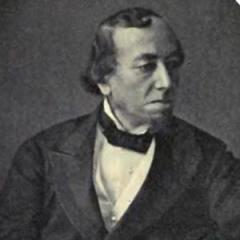
Benjamin Disraeli was a prominent British politician who served as the Leader of the House of Commons. Born on December 21, 1804, in London, he passed away on April 19, 1881. Disraeli was known for his political acumen, oratory skills, and literary achievements.
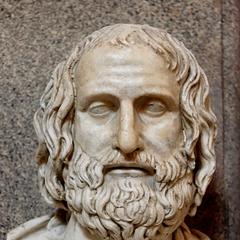
Euripides, a renowned Greek tragic playwright, is one of the three great tragic poets of ancient Greece, alongside Aeschylus and Sophocles. His life and achievements are not well-documented.
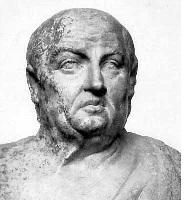
Seneca the Younger (4 BC - 65 AD) was a renowned Roman philosopher, statesman, and playwright. Born into a wealthy Roman family, he served as a government official in the Roman Empire. Seneca's philosophy was deeply influenced by Stoicism, and his works have had a profound impact on later generations.
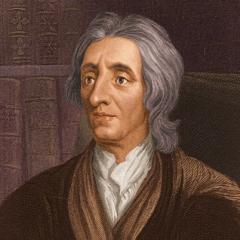
John Locke (August 29, 1632 - October 28, 1704) was an English philosopher, political theorist, and physician, considered one of the most influential figures of the Enlightenment. His ideas have had a profound impact on political philosophy, ethics, and epistemology.
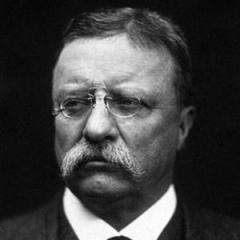
Theodore Roosevelt was the 26th President of the United States, serving from 1901 to 1909. A progressive leader, he is known for his advocacy of the conservation movement, expansion of federal government regulation, and efforts to improve the lives of American citizens.