
Graham Fellows
Graham Fellows, born on May 22, 1959, is a British actor known for his versatile performances in theater, film, and television. He is renowned for his unique acting style and sense of humor.
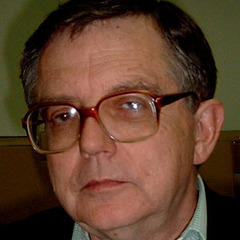
Graham Fellows, born on May 22, 1959, is a British actor known for his versatile performances in theater, film, and television. He is renowned for his unique acting style and sense of humor.
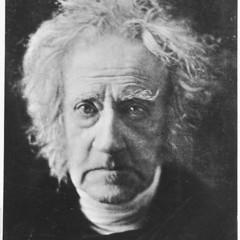
Sir John Herschel was a British astronomer, mathematician, and chemist, renowned for his contributions to astronomy and photography. He was born on March 7, 1792, and died on May 11, 1871.
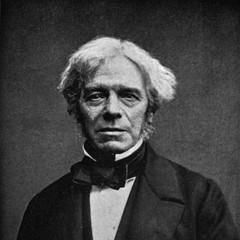
Michael Faraday was an English physicist and chemist, born on September 22, 1791, and died on August 25, 1867. He made significant contributions to the field of electromagnetism, particularly the discovery of electromagnetic induction, which had a profound impact on the development of the electric power industry and electrical engineering.
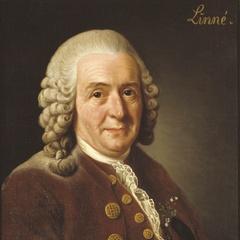
Carl Linnaeus (May 23, 1707 - January 10, 1778) was a Swedish botanist, zoologist, physician, and systematist. He is considered the father of modern biological classification and his binomial nomenclature has had a profound impact on the development of biology.
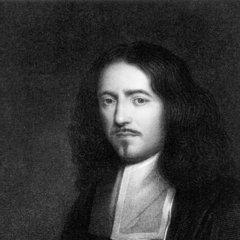
Marcello Malpighi was an Italian physician and scientist, renowned for his substantial contributions to anatomy and histology. Often hailed as the father of microscopic anatomy, he made numerous discoveries using the newly invented microscope. Malpighi's work laid the groundwork for modern histology, and his detailed studies of the body's structures and functions have had a lasting impact on medical science.
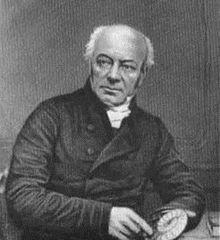
William Buckland, a renowned British geologist, was born on March 12, 1784, and died on August 14, 1856. He was a pioneer in the field of geology, known for his research on fossils and contributions to stratigraphy.
Anthony Standen was an accomplished British author known for his profound insights into history and culture. His works covered a wide range of historical themes from the Middle Ages to the modern era, celebrated for their unique narrative style and attention to detail.
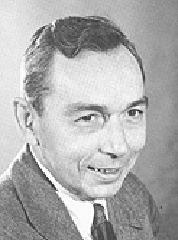
Marston Bates was a renowned American author known for his profound insights into the relationship between humans and nature. His works often explore the interaction between humans and the natural environment, as well as the impact of this interaction on individuals and society. Bates' writing style is unique, blending literary and philosophical elements, which has had a profound impact on the literary world.
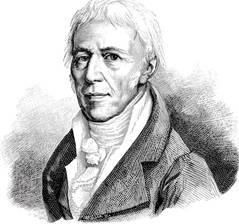
Jean-Baptiste Lamarck was a French naturalist and biologist, a key figure in the history of science. Born on August 1, 1744, in Bazentin, Oise, France, and died on December 18, 1829, in Paris, France. He is known for his contributions to the theory of evolution, particularly his theory of inheritance of acquired characteristics, which suggested that an organism could pass on traits acquired during its lifetime to its offspring. Although his theories are now considered outdated, they laid the groundwork for the modern understanding of evolution.
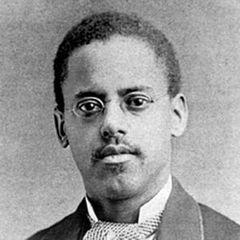
Lewis Howard Latimer was an African American inventor and engineer who made significant contributions to the development of the telegraph and the light bulb. He worked for the Edison Electric Light Company and is credited with improving the incandescent light bulb's filament. Latimer's work in the field of electrical engineering was pioneering and had a lasting impact on the industry.