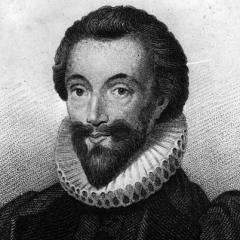
John Donne
John Donne was a renowned 17th-century English poet, known for his profound religious and philosophical reflections. His poetry style was unique, blending the elegance of the Renaissance with the passion of the Reformation.
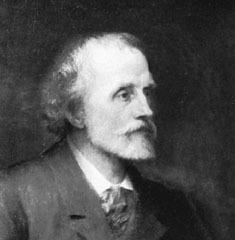
John Donne was a renowned 17th-century English poet, known for his profound religious and philosophical reflections. His poetry style was unique, blending the elegance of the Renaissance with the passion of the Reformation.
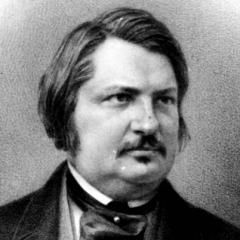
French novelist born on May 20, 1799, and died on August 18, 1850. Honore de Balzac is renowned for his profound insight and criticism of 19th-century French society, hailed as the 'father of modern fiction'.
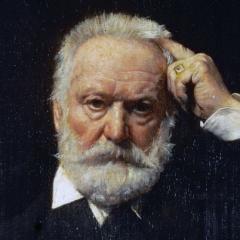
Victor Hugo, a French romantic poet, novelist, and playwright, was born on February 26, 1802, and died on May 22, 1885. He is considered one of the greatest writers in French literary history, known for his profound humanistic concerns and rich imagination.
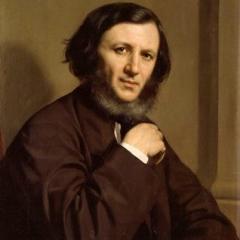
Robert Browning was a prominent Victorian poet known for his intricate poetic structures and profound psychological insights. His works covered themes such as love, death, religion, and morality, and had a profound impact on later poets.
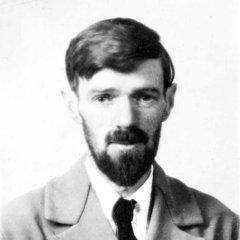
D. H. Lawrence was an English novelist and poet, born on September 11, 1885, and died on March 2, 1930. He is recognized for his distinctive prose style and his exploration of complex human relationships, particularly in the context of modernity and industrialization. His works often deal with themes of love, sex, and the struggle for individuality.
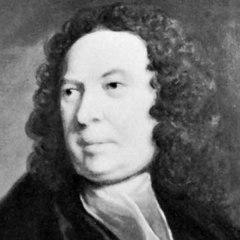
Edward Young, a renowned English poet, was born on July 3, 1683, and died on April 5, 1765. His poetry, characterized by profound philosophical insights and a unique style, has had a lasting impact on literature.
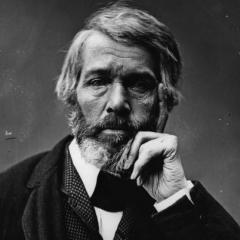
Thomas Carlyle, born on December 4, 1795, and died on February 5, 1881, was a prominent Scottish philosopher, historian, and writer. His works are known for their profound social criticism and unique literary style, which had a significant impact on 19th-century British literature and thought.
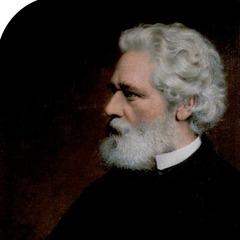
Philip James Bailey (April 22, 1816 – September 6, 1902) was an English poet of the Victorian era, best known for his epic poem 'Festus'. Born in Nottingham, he studied law at the University of Glasgow but chose poetry over a legal career. 'Festus', published in 1839, is a philosophical and religious epic exploring themes of faith, love, and redemption, which gained considerable popularity and went through multiple editions. Influenced by Byron and Shelley, Bailey's work reflects Romantic idealism and Victorian moral concerns. Despite later works like 'The Angel World' and 'The Mystic', he never replicated the success of 'Festus'. He spent most of his life in Nottingham and Jersey, and died in relative obscurity. Today, he is remembered as a minor but notable figure in Victorian poetry.
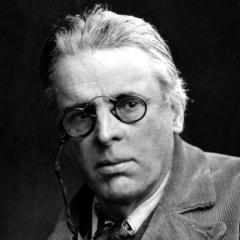
William Butler Yeats was an Irish poet, dramatist, and essayist, considered one of the greatest poets of the 20th century. His poetry deeply reflected the nationalist sentiments of Ireland and also showcased rich imagination and profound philosophical thinking. Yeats' poetic style was versatile, evolving from early romanticism to late symbolism, and his works have had a profound impact on literature both in Ireland and around the world.

Carlos Salinas, born in March 1986, is a talented author, poet, and novelist from Mexico. His works are renowned for their profound emotions and keen insights into social realities. Salinas began his writing career with poetry, which later led to novel writing, covering a variety of themes including history, love, and philosophy.