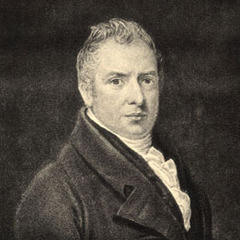
William Hone
William Hone was a British writer born on June 3, 1780, and died on November 6, 1842. Known for his satirical works and radical political views, Hone's contributions had a profound impact on 19th-century British literature and politics.
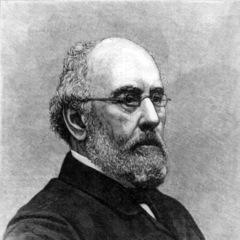
William Hone was a British writer born on June 3, 1780, and died on November 6, 1842. Known for his satirical works and radical political views, Hone's contributions had a profound impact on 19th-century British literature and politics.

William Alfred Sergeant, born on April 12, 1958, is a renowned guitarist. His musical career began in the 1970s, and he gained widespread recognition in the guitar community with his unique playing style and profound understanding of music.
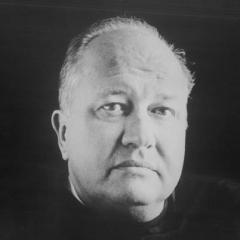
Theodore Roethke was an American poet known for his deep emotions and rich imagination. His poetry often explores themes of human emotion and the natural world, enjoying great popularity among readers.
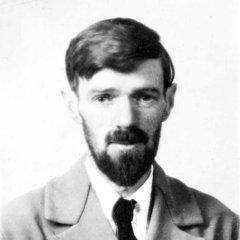
D. H. Lawrence was an English novelist and poet, born on September 11, 1885, and died on March 2, 1930. He is recognized for his distinctive prose style and his exploration of complex human relationships, particularly in the context of modernity and industrialization. His works often deal with themes of love, sex, and the struggle for individuality.
Alain de Lille, a French poet, was born in 1128 and died in 1202. His poetic works had a profound impact on medieval French literature, particularly known for their religious themes and moral implications.
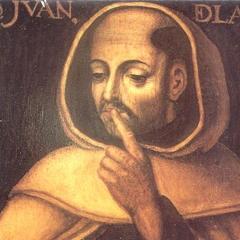
John of the Cross, also known as Saint John of the Cross, was a 16th-century Spanish Catholic mystic, theologian, poet, and friar, considered a significant figure in the Franciscan Order. He was born on June 24, 1542, and died on December 14, 1591.
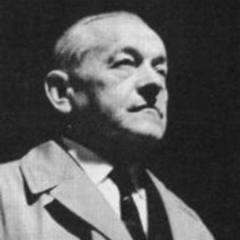
Leopold Trepper, born on February 23, 1904, and died on January 19, 1982, was a mysterious figure whose specific profession and category remain unclear.

Neil Cusack, born on December 30, 1951, is an artist whose identity and profession remain unclear. His life and career details are not well-documented.
Johannes Peter Müller, born on July 14, 1801, and died on April 28, 1858, was a prominent German physiologist and comparative anatomist. His academic career spanned across various fields, including neurology, physiology, and embryology. Born in Hamburg, Germany, Müller received a medical education and served as a professor at the University of Berlin. During his tenure at the University of Berlin, he published numerous papers on the nervous system, laying the foundation for subsequent neuroscientific research. Müller's contributions include the formulation of many theories about the nervous system, such as the conduction theory of nerve fibers, and in-depth studies on the development and function of the nervous system. His work has had a profound impact on the development of physiology and the advancement of medical education. His academic achievements have been widely recognized, and his theories and methods are still cited by physiologists and medical researchers today.
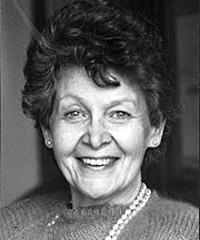
Marion Woodman is an American author known for her profound insights into women's psychology and mythology. Her works explore women's identity, dreams, and the creative process.