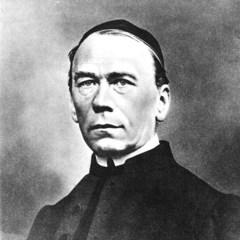
Adolph Kolping
Adolph Kolping was a German priest born on December 8, 1813, and died on December 4, 1865. He is known for his contributions to the labor movement and is considered a pioneer in the modern craft movement and vocational education.
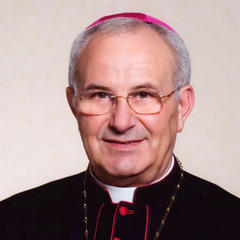
Adolph Kolping was a German priest born on December 8, 1813, and died on December 4, 1865. He is known for his contributions to the labor movement and is considered a pioneer in the modern craft movement and vocational education.
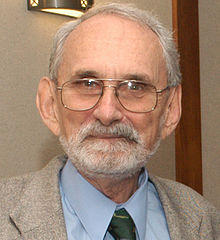
Robert Curl, a figure in an unknown profession/category, was born on August 23, 1933.
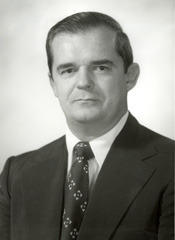
Joseph D. Early was a notable politician recognized for his substantial contributions to the political sphere. Born on January 31, 1933, he held various roles throughout his career, leaving a profound influence on the political scene. He passed away on November 9, 2012, leaving behind a legacy of commitment and public service.
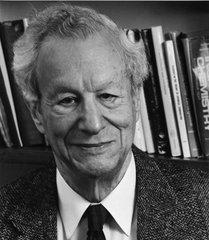
Frank Westheimer was an outstanding chemist born on January 15, 1912, and passed away on April 14, 2007. He made significant contributions to the field of organic chemistry, particularly in organic synthesis and chemical bonding theory.
Alfred Harker was a renowned geologist, born on February 19, 1859, and died on July 28, 1939. He made significant contributions to the field of geology, particularly in the areas of petrology, structural geology, and geochronology.
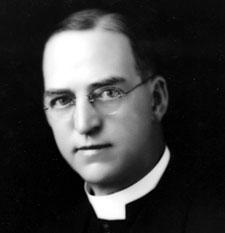
Edward J. Flanagan, born on July 13, 1886, in Ireland, was a renowned American priest. He is best known for his compassion towards the homeless and troubled youth. In 1913, he founded Boys Town, a place that provides shelter, education, and spiritual guidance to homeless and at-risk teenagers. Flanagan's dedication to improving the lives of these children has had a profound impact on countless lives.
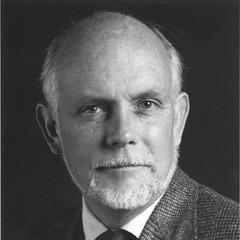
Richard Smalley (June 6, 1943 – October 28, 2005) was an American chemist who won the 1996 Nobel Prize in Chemistry for the discovery of fullerenes (C60). Born in Akron, Ohio, he earned his bachelor's degree from the University of Michigan and his Ph.D. from Princeton University. As a professor at Rice University, Smalley collaborated with Robert Curl and Harold Kroto to discover buckminsterfullerene, a new form of carbon, through laser vaporization of graphite. This breakthrough launched the field of nanoscience. Smalley later focused on nanotechnology research and advocated for science education. He died of leukemia at age 62.
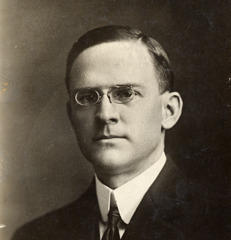
Sherwood Eddy was an American author known for his work in the field of metaphysics and philosophy. Born on January 19, 1871, he made significant contributions to the understanding of consciousness and the nature of reality. Eddy's writings explored the intersection of science and spirituality, and he is often associated with the New Thought movement. He passed away on November 4, 1963.
Robert Kavanaugh (December 18, 1906 – September 12, 1976) was an American figure whose specific occupation and major achievements remain unclear due to limited documentation. Active during the mid-20th century, he may have been involved in fields such as arts, academia, or public service. His life spanned two world wars and the Cold War, reflecting the era's transformations. However, detailed records of his contributions and influence are scarce, requiring further research.
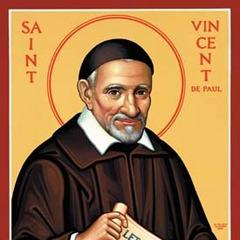
St. Vincent de Paul, born on April 24, 1581, and died on September 27, 1660, was a renowned French priest, social reformer, and philanthropist. He is best known for his compassion and care for the poor and vulnerable, having founded organizations dedicated to aiding the needy, most notably the Vincentian Congregation, which continues to provide assistance worldwide.